Why Omaha Basements Leak: Clay Soil, Water Tables & Foundation Challenges
Why Omaha Basements Leak: Clay Soil, Water Tables & Foundation Challenges Basement leaks plague thousands of Omaha homeowners every year,




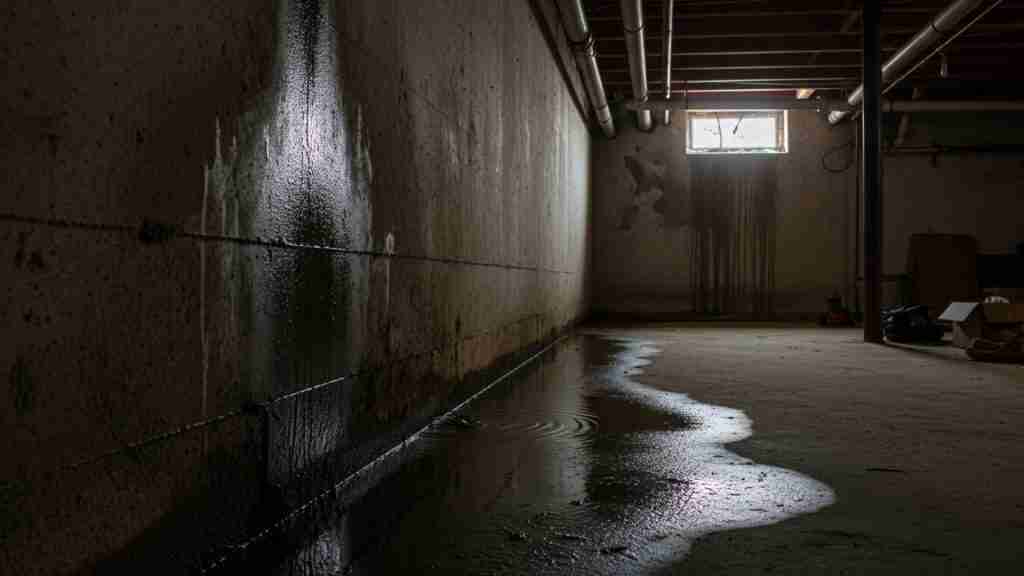
Basement leaks plague thousands of Omaha homeowners every year, turning below-grade spaces from valuable living areas or storage areas into damp, musty spaces that require constant vigilance and expensive repairs. Understanding why Omaha basements are so uniquely vulnerable to water infiltration requires examining the specific combination of geological, climatic, and construction factors that create perfect conditions for basement leaks. While homeowners in some regions might experience occasional basement dampness during extreme weather, Omaha properties face persistent water intrusion from expansive clay soil, fluctuating water tables, intense precipitation patterns, and freeze-thaw cycles that together overwhelm basement waterproofing systems.
The frustrating reality for many Omaha homeowners is that basement leaks often persist despite repeated attempts to repair them with sealants, patches, or interior treatments that address symptoms without fixing the underlying causes. Water will always find a way through foundations when the fundamental problems of exterior drainage, soil saturation, and hydrostatic pressure remain unaddressed. Recognizing the actual causes of basement leaks, rather than just their visible manifestations, empowers you to invest in solutions that permanently solve water problems rather than temporarily mask them.
This comprehensive guide explains the geological and environmental factors that make Omaha basements prone to leaking, details how these factors create the specific conditions that allow water infiltration, helps you identify which causes affect your particular basement, and provides guidance on addressing root problems rather than just managing symptoms.
The clay soil underlying most of the Omaha metro area represents the single most significant factor causing basement leaks and foundation water problems.
Omaha sits atop glacial deposits and ancient seabed sediments that created soil with 30 to 60 percent clay content across most of the region. This high clay content creates dense, poorly draining soil with unique properties that threaten basement integrity.
Clay particles are microscopically small, measuring less than 0.002 millimeters in diameter. These tiny, flat particles pack tightly together, leaving little space for water or air to move. This tight packing creates clay’s characteristic impermeability, with infiltration rates often below 0.1 inches per hour, sometimes as low as 0.01 inches per hour in pure clay.
For comparison, sandy soils drain at several inches per hour or faster. This dramatic difference means water that would drain through sand in hours remains in Omaha’s clay for days, weeks, or even months, creating the sustained saturation that causes basement leaks.
The most destructive characteristic of clay soil is its tendency to expand dramatically when wet and shrink when dry. As clay absorbs water, it can increase in volume by 10 percent or more. This expansion generates enormous lateral and upward pressure against basement walls and floors.
The lateral pressure created by expanding clay can exceed 5,000 pounds per square foot against basement walls. Over an 8-foot-high basement wall section, this amounts to thousands of pounds of inward force, seeking any weakness through which water can enter. This sustained pressure forces water through foundation cracks, porous concrete, mortar joints in block walls, and the vulnerable seam where basement floors meet walls.
When clay dries during summer and fall, it shrinks back to its original size or smaller. This shrinkage pulls soil away from foundations, creating gaps and voids. Water flowing into these gaps during the next rain creates concentrated pressure points against foundations. The shrinkage also allows differential settlement, where soil beneath different foundation sections consolidates at different rates, causing cracks that become pathways for water infiltration.
Clay’s extremely low permeability means water cannot drain downward or laterally through it at rates that prevent saturation. During Omaha’s wet springs, when several inches of rain fall over weeks, the clay around basements becomes completely saturated and stays that way throughout the season.
This extended saturation maintains constant hydrostatic pressure against the basement walls. Unlike in well-drained soils, where pressure may briefly build during peak rainfall and then dissipate as water drains away, clay maintains pressure for weeks or months. This sustained attack progressively finds or creates pathways through even initially sound basement walls.
The poor drainage also means that water from your roof, your yard, and even neighboring properties accumulates in clay around your basement rather than draining naturally. Without active drainage systems to remove this water, it sits against your foundation, creating pressure and saturation that cause leaks.
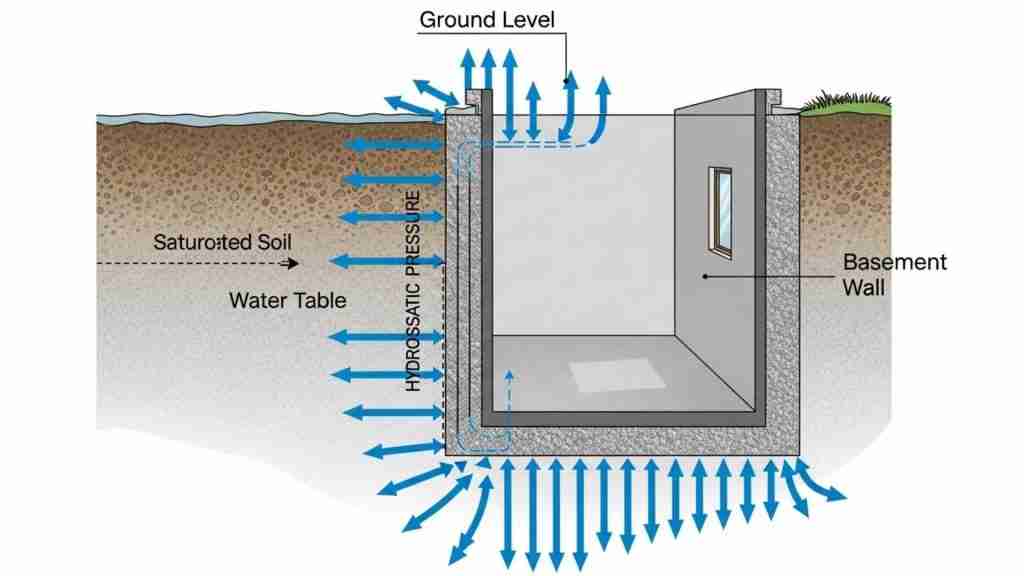
Groundwater levels beneath Omaha properties fluctuate seasonally and vary significantly by location, creating additional causes of basement leaks.
The water table is the underground level at which soil is fully saturated with groundwater. Above this level, soil contains some moisture but also air spaces. Below it, all pore spaces are filled with water. The depth to the water table varies across the Omaha area from several feet in low-lying areas near streams to many feet in higher elevations.
Properties near the Missouri River, Papillion Creek, or other waterways often have higher water tables than properties on hills or in other elevated terrain. However, even properties far from surface water can have perched water tables where impermeable clay layers trap water above them, creating saturated zones at various depths.
Omaha’s water tables fluctuate dramatically between seasons. Spring brings the highest water tables as snowmelt and heavy rain saturate soil faster than it can drain through clay. Water tables can rise several feet during wet springs, bringing groundwater close to or even above basement floor levels.
During dry summers and falls, water tables drop as plants extract moisture and evaporation removes water from upper soil layers. This can lower water tables by several feet, creating very different conditions than spring saturation.
For basements, these fluctuations mean that groundwater problems may appear only seasonally. Basements that are dry in summer may experience significant infiltration in spring, when rising water tables create pressure from below and saturate the soil around foundation walls.
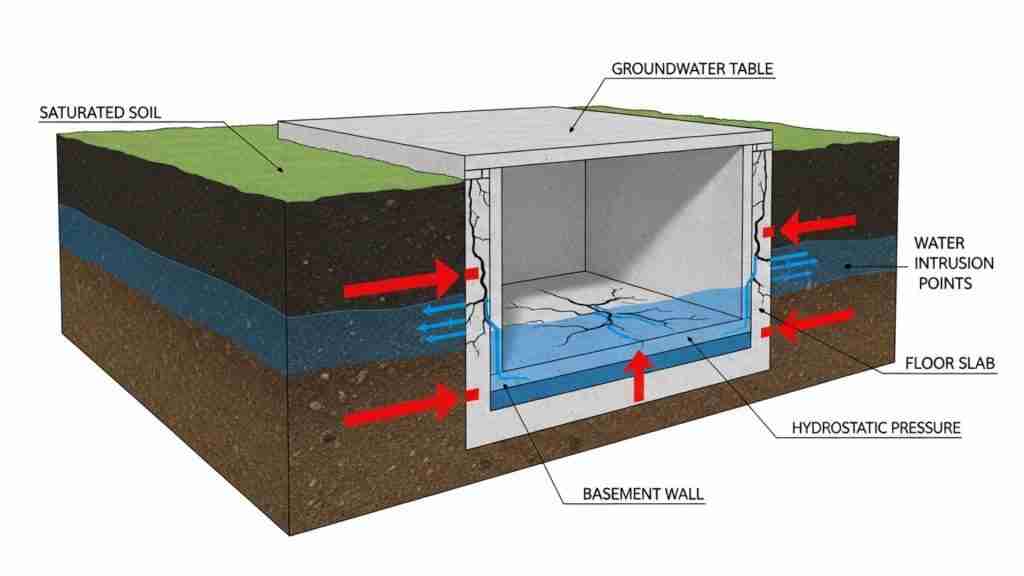
Properties where water tables rise above basement floor levels during wet seasons face severe infiltration challenges. Water under tremendous pressure from the weight of saturated soil above it seeks any entry point through basement floors or walls.
This upward pressure, called hydrostatic uplift, can reach hundreds of pounds per square foot. It forces water through cracks in the floor, the floor-wall joint, and any other openings. Interior sealants and coatings cannot withstand this pressure, which is why surface treatments often fail under high water-table conditions.
Addressing high water table leaks requires subsurface drainage systems, including interior or exterior French drains that intercept groundwater and lower the local water table around basements, and sump pump systems that actively remove water to prevent pressure buildup.
Omaha’s climate creates precipitation conditions that severely stress basement waterproofing systems.
Omaha receives approximately 30 inches of precipitation annually, but this arrives unevenly throughout the year. Spring months from March through June often account for half of the annual total, creating prolonged periods when the soil around basements remains continuously saturated.
This extended wet season maintains constant pressure against basement walls for weeks or months rather than brief periods. The cumulative effect of sustained saturation causes progressive infiltration that wouldn’t occur from occasional short-duration rain events.
Summer brings severe thunderstorms that can dump 2 to 4 inches of rain in just a few hours. These intense events saturate soil around basements faster than any drainage system can remove it, creating sudden pressure spikes that force water through foundations.
Even basements that remain dry during gentle rain may leak during these extreme events when rapid saturation overwhelms basement waterproofing. The sudden nature of these storms often catches homeowners unprepared, with basements flooded within hours of the storm’s onset.
Year-to-year precipitation varies significantly in Omaha. Some years bring 40-plus inches while others see barely 20 inches. This unpredictability means basement waterproofing must be designed to handle worst-case wet years rather than average conditions.
Homeowners who’ve never experienced basement leaks during average years may suddenly face severe infiltration during unusually wet springs. This variability makes proactive waterproofing important even if your basement has remained dry in the past.
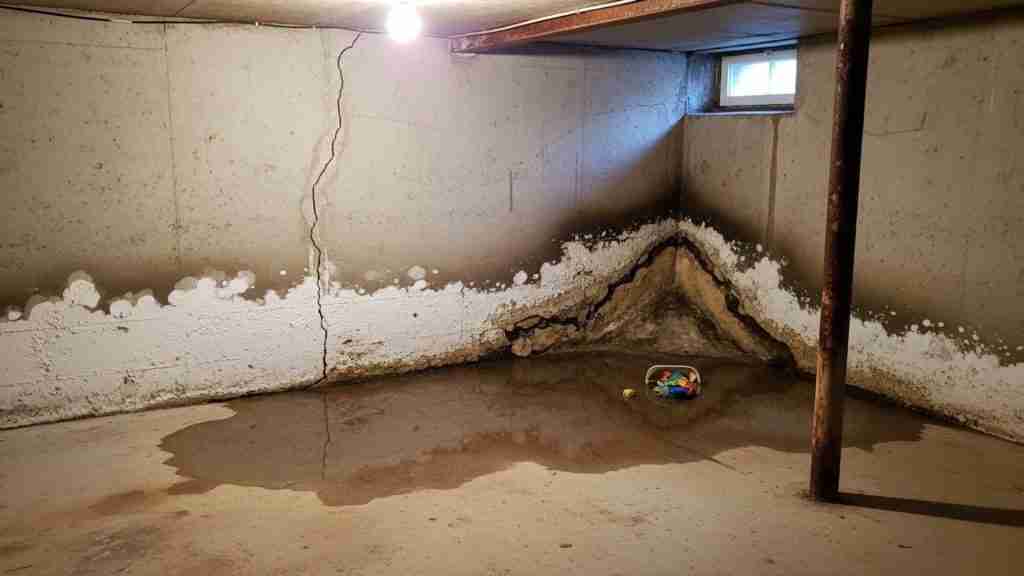
Omaha’s winter weather adds another dimension to basement leak causes through repeated freezing and thawing.
When water in foundation cracks freezes during Omaha’s cold winters, it expands by approximately 9 percent. This expansion generates tremendous force, exceeding 25,000 pounds per square inch, that progressively widens cracks with each freeze-thaw cycle.
A hairline crack in fall becomes noticeably wider by spring after experiencing 30 to 40 freeze-thaw cycles through winter. This progressive widening creates larger pathways for water infiltration during subsequent wet seasons.
The cycle accelerates as damage accumulates. Wider cracks allow more water penetration, creating greater expansion force during freezing, which enlarges the cracks even faster. Over the years and decades, this destroys foundations through cumulative freeze-thaw damage.
When the ground freezes to depths of 24 to 36 inches, as is typical in Omaha winters, it forms an impermeable frozen layer that prevents drainage. Late winter and early spring present particularly challenging conditions when frozen ground prevents drainage while warming temperatures melt accumulated snow.
This forces water from snowmelt to remain in upper soil layers precisely where basements are located. Many basement flooding events occur during late winter thaws rather than during summer rains because frozen ground prevents normal drainage function, trapping water against foundations.
How basements were originally constructed affects their vulnerability to leaks in Omaha’s challenging conditions.
Poured concrete foundations create monolithic structures with fewer weak points than block construction. However, even poured concrete develops cracks from settling, pressure, and thermal stress that become water infiltration pathways.
Block foundations have mortar joints every 8 to 16 inches vertically and horizontally. These joints represent potential weak points where water can penetrate more easily than through solid concrete. Block foundations in Omaha’s clay soil often experience more extensive leaks than poured concrete, particularly due to deteriorating mortar.
Many older Omaha homes received only minimal dampproofing during construction, typically a thin asphalt coating applied to foundation exteriors. This basic treatment cannot withstand the sustained hydrostatic pressure created by clay soil and high water tables.
Historically, building codes required only damp-proofing rather than proper waterproofing. This means thousands of Omaha basements lack adequate protection for the conditions they face. The damp-proofing breaks down over decades, leaving foundations essentially unprotected.
Homes built without proper foundation drainage systems around footings or with systems that have failed over time lack critical protection against groundwater. Even well-waterproofed foundations benefit from drainage that intercepts water before pressure builds.
Many older Omaha homes have clay tile drainage systems that have become clogged with tree roots over the decades. These failed systems provide no actual drainage benefit, allowing water to accumulate against foundations.
The seam where basement floors meet walls represents a particularly vulnerable location for water infiltration.
Basement floors are typically poured after foundation walls cure, creating a joint between the two concrete pours. This joint represents a deliberate gap that allows water to enter when hydrostatic pressure forces it upward.
The joint cannot be eliminated because floors and walls require some independence to accommodate different settlement and pressure conditions. However, this necessary construction detail creates a pathway that water under pressure exploits.
Water infiltrating through the floor-wall joint, often called the cove joint, is one of the most common sources of basement leaks in Omaha. Hydrostatic pressure forces groundwater upward through gravel beds beneath basement floors, then through the cove joint into basements.
This explains why water sometimes appears to be seeping from the floor edge rather than through noticeable wall cracks. The source is groundwater pressure from below rather than just saturated soil outside the walls.
Interior perimeter drainage systems installed at the cove joint specifically address this infiltration source by collecting water before it enters living spaces.
Understanding why Omaha basements leak helps distinguish between effective solutions and temporary fixes.
Interior sealants, waterproof paints, and hydraulic cement applied from the inside cannot prevent water under significant pressure from entering. These treatments may address minor moisture but fail when hydrostatic pressure forces water through foundations.
The water pressure exists outside your foundation. Treating only interior surfaces attempts to hold back pressure from the wrong side, like trying to stop a dam leak by painting the downstream face. Eventually, pressure finds or creates pathways around surface treatments.
Effective basement leak solutions either prevent water from reaching the foundation or manage it after it arrives, preventing damage. This includes exterior drainage to avoid soil saturation and pressure buildup, exterior waterproofing membranes that create pressure-resistant barriers, interior drainage systems that collect water at entry points, and sump pumps that actively remove the collected water.
These approaches work with or overcome the fundamental causes rather than just covering symptoms. They’re more expensive than surface treatments but provide long-term solutions rather than temporary masking.
Different areas of the metro experience varying levels of severity from these leaks.
Properties in West Omaha on higher ground may experience less severe water table issues, but still face clay soil challenges. Areas near Papillion Creek or the Missouri River often have higher water tables, creating more severe groundwater problems. Older neighborhoods in midtown have aging drainage systems that may have failed. New developments may have adequate drainage if properly installed, but still face clay soil expansion issues.
Understanding your specific location’s challenges helps target appropriate solutions for your situation.
Basement leaks in Omaha result from a unique combination of expansive clay soil that creates sustained pressure. These fluctuating water tables bring groundwater into contact with foundations, intense precipitation that saturates soil faster than it can drain, and freeze-thaw cycles that progressively damage foundations. These factors work together, creating conditions where basement waterproofing must withstand challenges that basements in better-draining soils never face.
Effective solutions require understanding these root causes and implementing comprehensive approaches, including exterior drainage, proper waterproofing membranes, interior collection systems, and active water removal through sump pumps. The investment in addressing actual causes rather than just treating symptoms provides permanent protection for your basement and foundation, preserving your property value and preventing the recurring water problems that plague thousands of Omaha basements every spring and summer when our challenging conditions test whether your basement stays dry or leaks despite your best efforts to keep water out.
Why Omaha Basements Leak: Clay Soil, Water Tables & Foundation Challenges Basement leaks plague thousands of Omaha homeowners every year,

Financing Basement Waterproofing in Omaha: Payment Options & Programs Basement waterproofing in Omaha is a significant but essential investment that
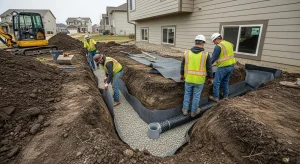
Drainage Tile Systems in Omaha: Protecting Foundations from Groundwater Drainage tile systems are among the most effective solutions for protecting
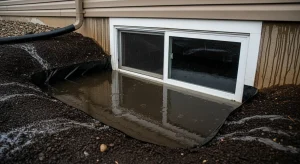
Basement Window Well Waterproofing: Preventing Leaks in Omaha Basement window wells are among the most common yet frequently overlooked sources
Signs Your Basement Needs Waterproofing: Omaha Homeowner Checklist Your basement speaks volumes about your home’s foundation health, but many Omaha
Signs of Basement Water Damage in Omaha Homes: Early Warning Checklist Early detection of basement water damage can save Omaha