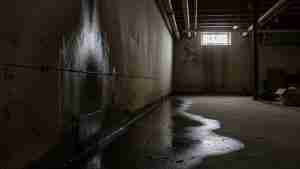
Why Omaha Basements Leak: Clay Soil, Water Tables & Foundation Challenges
Why Omaha Basements Leak: Clay Soil, Water Tables & Foundation Challenges Basement leaks plague thousands of Omaha homeowners every year,




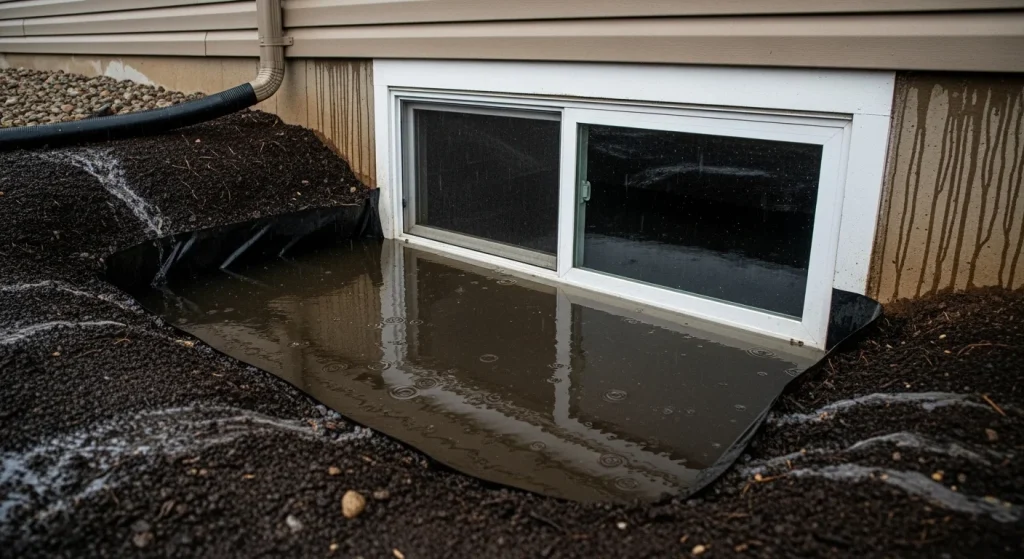
Basement window wells are among the most common yet frequently overlooked sources of water infiltration in Omaha homes. These necessary features provide light and emergency egress to below-grade spaces. Still, they create vulnerabilities: water accumulates during rain, saturates the soil around basement windows, and seeps into your basement through window frames, deteriorated seals, or cracks in window sills. Many homeowners invest thousands in basement waterproofing only to continue experiencing leaks because they failed to address window well drainage problems that allow concentrated water to bypass their foundation waterproofing systems entirely.
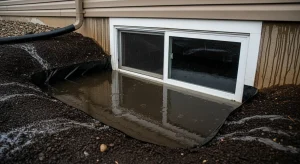
The challenge with window wells in Omaha stems from our region’s heavy clay soil and intense precipitation patterns. Clay’s poor drainage means water flowing into window wells cannot percolate naturally through the surrounding soil. Instead, it accumulates in the well, sometimes filling to window level or beyond during severe storms. This creates tremendous localized pressure against basement windows and the surrounding foundation, forcing water through any weakness. A single improperly waterproofed window well can dump gallons of water into your basement while the rest of your foundation remains perfectly dry.
Understanding how window wells fail, what proper waterproofing involves, and how to prevent the leaks that turn these necessary features into persistent water entry points empowers you to protect your basement comprehensively. Window well waterproofing represents a critical but often neglected component of complete basement protection in Omaha’s challenging environment.
This comprehensive guide explains why window wells leak, details the waterproofing methods that actually work in clay soil conditions, provides installation guidance for both new construction and remedial applications, and helps you address window well water problems before they cause the recurring basement leaks that require expensive cleanup and remediation.
Several interconnected factors make window wells particularly vulnerable to water infiltration in our region.
The most fundamental problem is window wells that lack adequate drainage. Many wells are simply holes in the ground lined with corrugated metal or precast concrete sections, with no provision for draining water. Rain falling directly into these wells or flowing in from surrounding areas has nowhere to go except to saturate the soil around the windows or enter basements.
During Omaha’s intense thunderstorms that dump several inches of rain in hours, undrainable window wells fill rapidly with water. The accumulated volume exerts pressure on basement windows and the surrounding foundation, far exceeding normal hydrostatic pressure from saturated soil. This concentrated pressure forces water through window frames, cracks in window sills, and any vulnerable points in foundation walls adjacent to wells.
Clay soil compounds the problem because water in window wells cannot drain laterally through surrounding clay. Wells without positive drainage outlets remain filled for days or weeks after rain, maintaining sustained pressure that progressively finds or creates infiltration pathways.
Basement windows themselves can be potential leak points, even without window well issues. The seals between window frames and foundation walls deteriorate over time from age, weather exposure, and foundation movement. These failing seals allow water to seep around window perimeters directly into basements.
Window frames corrode, warp, or separate from foundations through years of moisture exposure and freeze-thaw cycles. Metal window frames rust, creating gaps. Wood frames rot, losing structural integrity. Even vinyl frames can warp or pull away from foundations under stress.
The window well itself concentrates water directly where these vulnerabilities exist. Rather than occasional moisture from general foundation saturation, windows in unprotected wells are constantly exposed to water during and after storms, exploiting every weakness in their seals and frames.
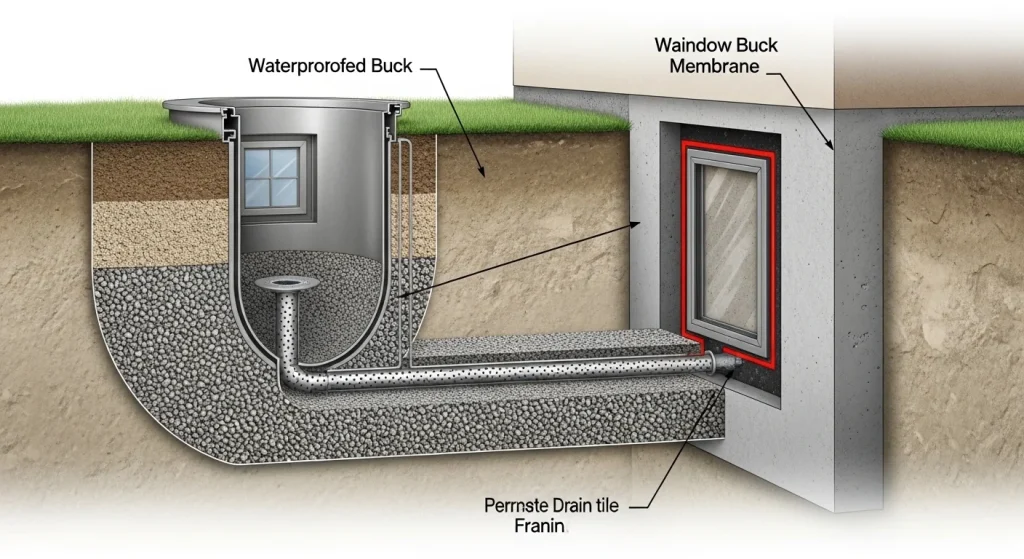
Window bucks are the structural frames, typically wood or steel, that create openings in concrete foundation walls for windows. The junction between these bucks and the surrounding concrete is a potential leak point where different materials meet, and waterproofing is often neglected.
Many older Omaha homes have window bucks that were never waterproofed adequately during construction. The gap between buck and concrete, meant to allow some movement, creates pathways for water infiltration when not adequately sealed. Water accumulating in window wells seeps into these gaps and flows into basements along the window perimeter.
Window well covers prevent rain from falling directly into the well while allowing light to penetrate and providing emergency egress access. However, many Omaha homes have uncovered window wells that fill during every significant rain event.
Even homes with covers sometimes have inadequate protection. Poorly fitting covers allow water to enter around the edges. Covers without a proper slope allow water to pool on top, which eventually drains into wells. Damaged or missing covers provide zero protection, turning window wells into collection basins for every storm.
Improper grading around window wells directs surface runoff directly into them rather than away. Wells positioned in natural drainage paths or at low points in yard grading collect not just direct rainfall but also runoff from surrounding areas, increasing the volume of water they must handle.
This concentrated flow overwhelms the drainage capacity, even when some drainage provisions are in place. The sheer volume flowing into poorly positioned wells creates the sustained saturation and pressure that causes infiltration.
Multiple approaches address window well leaks, with comprehensive protection often requiring a combination of strategies.
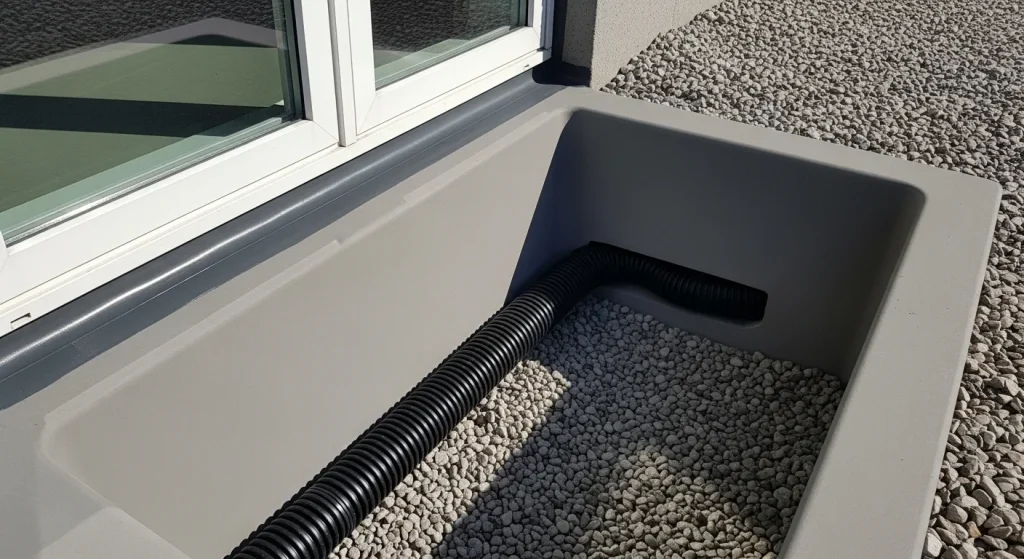
The most critical waterproofing element is interior well drainage, which provides effective water removal. This involves installing drainage aggregate in window well bottoms, typically 4 to 8 inches of clean gravel, creating permeable zones where water can collect, and drainage pipe or channels connecting well bottoms to foundation drainage systems or independent discharge points.
For new construction or when excavating for exterior foundation work, drainage pipe can be installed at the bottom of window wells, running to perimeter foundation drains. This automatically removes any water entering wells before it can create pressure against windows.
For existing installations, retrofitting drainage is more challenging but still possible. Options include drilling through foundation walls at well bottoms to connect to interior basement drainage systems, creating small sump pits in well bottoms with pumps to remove collected water, or installing channels through wells that drain to lawn areas away from foundations.
The drainage must have a positive outlet, not just gravel, hoping water will magically disappear through clay soil. In Omaha’s clay environment, active drainage removal is essential for reliable function.
Properly sealing basement windows prevents water entry even when wells contain some water. This involves inspecting and replacing deteriorating window seals around the frame perimeter, applying elastomeric sealants at window-to-foundation junctions to create flexible, waterproof barriers, and replacing damaged windows with modern units featuring improved sealing systems.
For windows in poor condition, replacement with new egress windows designed for below-grade installation provides comprehensive improvement. Modern egress windows include built-in waterproofing features such as integral drainage channels, improved seal systems, and materials resistant to moisture damage.
Window buck waterproofing addresses the structural opening around windows. This includes applying waterproofing membranes or sealants to buck-to-concrete junctions, ensuring proper flashing directs any water that penetrates to drainage systems rather than into basements, and, in severe cases, removing and replacing window bucks with proper waterproofing installation.
Quality window well covers prevent most water from entering wells in the first place, dramatically reducing drainage demands. Effective covers feature polycarbonate or similar transparent materials that allow light while shedding water, adequate strength to support snow loads and accidental foot traffic, and proper fitting, with well-sealed perimeters that prevent water entry.
The covers should slope away from windows, directing any water landing on them to drain away from wells rather than into them. Covers also prevent debris from accumulating in wells, reducing maintenance and improving drainage.
Installation requires securing covers firmly to prevent wind displacement while allowing emergency removal for egress access. Many modern covers include hinged or removable sections, balancing security with accessibility.
Custom covers cost $75 to $250 each, depending on size and quality. While this may seem expensive for simple products, good covers prevent most water from entering wells, providing an excellent return on investment through leak prevention.
For comprehensive protection during excavation projects, exterior waterproofing addresses wells from the outside. This includes applying waterproofing membranes to foundation walls in window well areas, installing drainage boards or dimpled membranes to create drainage planes against the foundation, and ensuring proper well liner installation with sealed connections to the foundation waterproofing.
This approach provides maximum protection but requires excavation, making it practical primarily during new construction or major foundation waterproofing projects.
Proper surface grading directs water away from window wells rather than toward them. The ground should slope away from wells in all directions to prevent surface runoff from entering them. Wells should not be positioned in natural drainage channels or at yard low points where they’ll collect runoff.
Strategic placement of swales or drainage channels can intercept and redirect water that would otherwise flow toward vulnerable window wells. These landscape drainage features integrate with overall yard drainage while providing specific window well protection.
Proper installation, whether for new construction or replacement wells, ensures effective long-term performance.
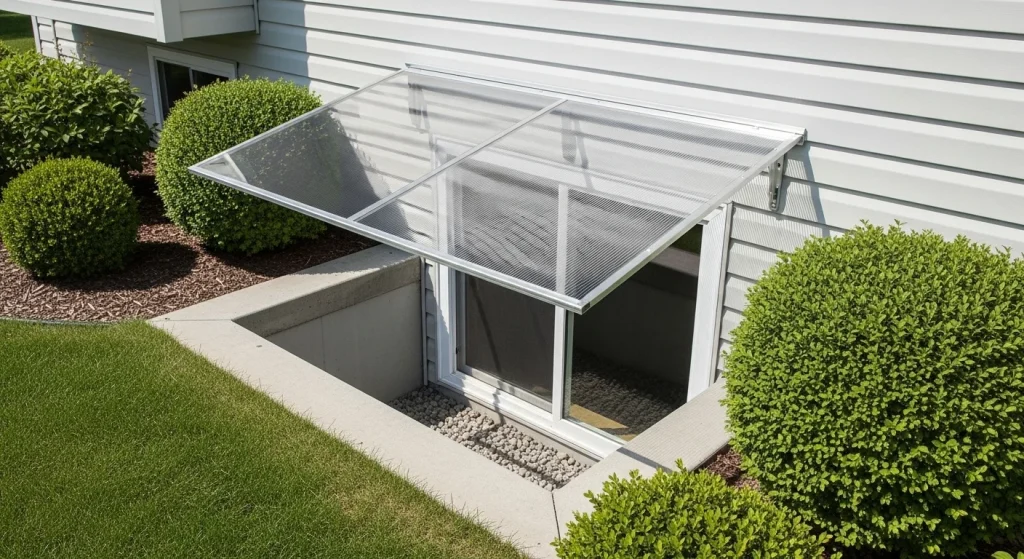
Window wells must be large enough to provide the required egress clearance, typically a minimum of 36 inches measured perpendicular to the foundation walls. The width should accommodate the window fully, plus additional clearance. An adequate size prevents the well walls from blocking window operation and ensures a safe emergency exit.
Depth should extend at least 8 inches below window sills to allow proper drainage. Wells stopping at the sill level cannot accommodate the drainage aggregate and piping needed for water removal.
Precast concrete well liners provide durable, permanent installations resistant to soil pressure and corrosion. These typically cost $200 to $400 each, last indefinitely, and require no replacement.
Corrugated metal liners are more economical at $75 to $150 but eventually rust, particularly in our wet clay soil environment. Galvanized or plastic-coated versions extend life but still eventually fail, requiring replacement.
Plastic well liners offer corrosion resistance at a moderate cost, typically $100 to $200. Quality structural plastic designed for this application offers good longevity and drainage integration.
Window well bottoms should connect to comprehensive foundation drainage systems when possible. This provides automatic water removal without additional pumping equipment or maintenance.
The well bottom receives 4 to 8 inches of clean gravel, creating drainage zones. Perforated pipe in this gravel connects to foundation perimeter drains or routes independently to discharge points. The pipe should have a minimum slope of 1 percent to ensure gravity flow.
For wells where a drainage connection isn’t feasible, small sump pits with dedicated pumps provide reliable water removal. These miniature versions of basement sump systems activate automatically when water accumulates, removing it before pressure builds.
Addressing leaks in existing window wells requires working within the constraints of installed conditions.
Begin by identifying actual water entry points. Does water come through window frames? Through the foundation adjacent to the wells? Through well liner-to-foundation connections? Accurate diagnosis determines appropriate solutions.
Observe wells during and after rain, noting how water accumulates, how long it persists, and where infiltration occurs. This documentation guides remedy selection.
Adding drainage to existing wells without major excavation typically involves creating channels through foundation walls that connect well interiors to basement drainage systems, installing small sump pits in well bottoms with pumps discharging to yard areas, or creating drainage passages through well bottoms that run to lawn areas away from foundations.
These retrofits provide functional drainage, though not as elegant as integrated systems installed during construction. The key is to establish positive water removal rather than hoping the water will somehow disappear through the clay.
From inside the basements, apply quality polyurethane or silicone sealants along the window perimeters. Remove old, deteriorating sealant first, clean surfaces thoroughly, and apply fresh sealant to create continuous waterproof barriers.
For severely deteriorating windows, replacement offers a better long-term solution than attempting to seal failing components. Modern egress windows designed for basement installation include improved waterproofing features, justifying the $500 to $1,200 per window investment.
Adding quality covers to previously uncovered wells is the single most effective way to prevent future leaks. The installation is straightforward, typically requiring just securing covers to well tops with appropriate fasteners.
The immediate reduction in water entering wells often eliminates leaks or reduces them to manageable levels requiring only minor additional sealing work.
Regular attention prevents minor issues from becoming serious leak problems.
Remove leaves, debris, and sediment from window wells at least twice annually, typically in spring and fall. Accumulated material blocks drainage and can hold moisture against windows, promoting seal deterioration.
Clean the covers well, removing any debris that could block light or interfere with proper seating. Inspect covers for damage requiring repair or replacement.
Test drainage during wet weather by observing how quickly water drains from wells. Slow drainage indicates clogs or insufficient capacity and requires attention.
For wells with sump pumps, test pumps quarterly by introducing water and verifying activation and proper discharge.
Inspect window seals annually, looking for cracks, separation, or deterioration. Address problems promptly before water infiltration occurs. Applying fresh sealant to small gaps prevents them from becoming major leak points.
Understanding investment requirements helps with planning and budgeting.
Quality window well covers cost $75 to $250 each. Window seal repair and caulking runs $50 to $150 per window for DIY or $150 to $300 for professional application. A complete window replacement costs $500 to $1,200 per window. Drainage, in addition to existing wells, ranges from $300 to $800 per well, depending on the method. New window well installation with integrated drainage costs $800 to $1,500 per well including excavation, liner, drainage, and cover.
For homes with multiple basement windows, comprehensive window-well waterproofing might cost $2,000 to $5,000 in total. This investment prevents water damage and costs many times more, while protecting basement spaces from recurring leaks that turn finished areas into unusable spaces.
Window well waterproofing in Omaha prevents one of the most common yet frequently neglected sources of basement water infiltration. By understanding why wells leak, implementing proper drainage, sealing windows effectively, and maintaining systems regularly, you can protect your basement from concentrated water that window wells direct toward your foundation’s most vulnerable points.
Whether you need covers for uncovered wells, drainage for wells that fill during rain, or complete window replacement to address deteriorating components, window well waterproofing provides the critical protection that comprehensive basement waterproofing systems require for full effectiveness. Don’t let inadequate window well protection undermine your investment in foundation waterproofing. Address these vulnerabilities to ensure your basement stays dry through every storm that tests your complete waterproofing system’s ability to handle the challenges Omaha‘s climate delivers.
Addressing hydrostatic pressure requires investment, but the cost of inaction far exceeds the expense of proper solutions. Basic surface drainage improvements, regrading, and extending downspouts might cost $500-$2,000 and provide substantial protection for homes with minor pressure problems.
Interior drainage systems with sump pumps typically cost $4,000-$8,000, while comprehensive exterior drainage and waterproofing runs $8,000-$15,000 or more, depending on your home’s size and site conditions.
Compare these figures to foundation repair costs: wall stabilization for bowing walls costs $4,000-$15,000, foundation underpinning or piering runs $10,000-$30,000 or more, and complete foundation replacement can exceed $50,000 for severe structural failure.
Hydrostatic pressure damage develops progressively. The longer you wait to address it, the more extensive and expensive the repairs become. Early intervention when you first notice dampness, minor cracks, or water infiltration—provides the most cost-effective protection.
Your foundation supports everything above it and must withstand tremendous forces from the soil beneath it. Hydrostatic pressure is one of the greatest threats to foundation integrity, but it’s one you can manage effectively with proper drainage solutions and ongoing maintenance.
For Omaha homeowners, understanding and controlling hydrostatic pressure isn’t optional; it’s essential for protecting your home’s structural integrity and preserving your property value. Whether you’re dealing with minor seepage or serious structural concerns, taking action now prevents the progressive damage that turns manageable problems into costly catastrophes.
Invest in comprehensive drainage solutions, maintain them diligently, and monitor your basement for any signs of developing pressure problems. Your foundation and your peace of mind will benefit from proactive protection against the invisible but destructive force of hydrostatic pressure.
Why Omaha Basements Leak: Clay Soil, Water Tables & Foundation Challenges Basement leaks plague thousands of Omaha homeowners every year,

Financing Basement Waterproofing in Omaha: Payment Options & Programs Basement waterproofing in Omaha is a significant but essential investment that
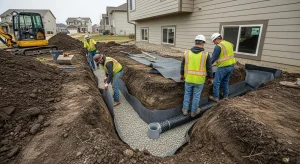
Drainage Tile Systems in Omaha: Protecting Foundations from Groundwater Drainage tile systems are among the most effective solutions for protecting
Basement Window Well Waterproofing: Preventing Leaks in Omaha Basement window wells are among the most common yet frequently overlooked sources
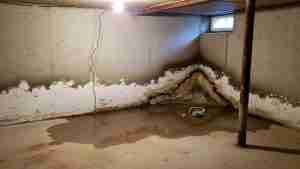
Signs Your Basement Needs Waterproofing: Omaha Homeowner Checklist Your basement speaks volumes about your home’s foundation health, but many Omaha
Signs of Basement Water Damage in Omaha Homes: Early Warning Checklist Early detection of basement water damage can save Omaha