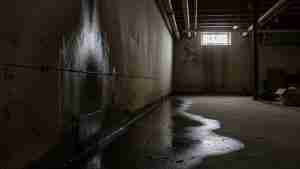
Why Omaha Basements Leak: Clay Soil, Water Tables & Foundation Challenges
Why Omaha Basements Leak: Clay Soil, Water Tables & Foundation Challenges Basement leaks plague thousands of Omaha homeowners every year,




When water invades your basement, the question isn’t whether to waterproof it but which approach will provide the most effective, long-lasting protection for your specific situation. Omaha homeowners face a critical decision between interior and exterior waterproofing methods, each offering distinct advantages, limitations, and cost considerations.
The debate between interior and exterior waterproofing isn’t simply about choosing the cheaper or easier option. It’s about understanding how water enters your basement, what’s causing the problem, and which solution addresses those specific issues most effectively, given Omaha’s unique soil conditions, climate patterns, and your home’s construction characteristics.
This comprehensive guide examines both interior and exterior waterproofing approaches, explains how each works, compares their effectiveness in Omaha’s challenging environment, and helps you determine which solution or combination of solutions will best protect your home and investment.
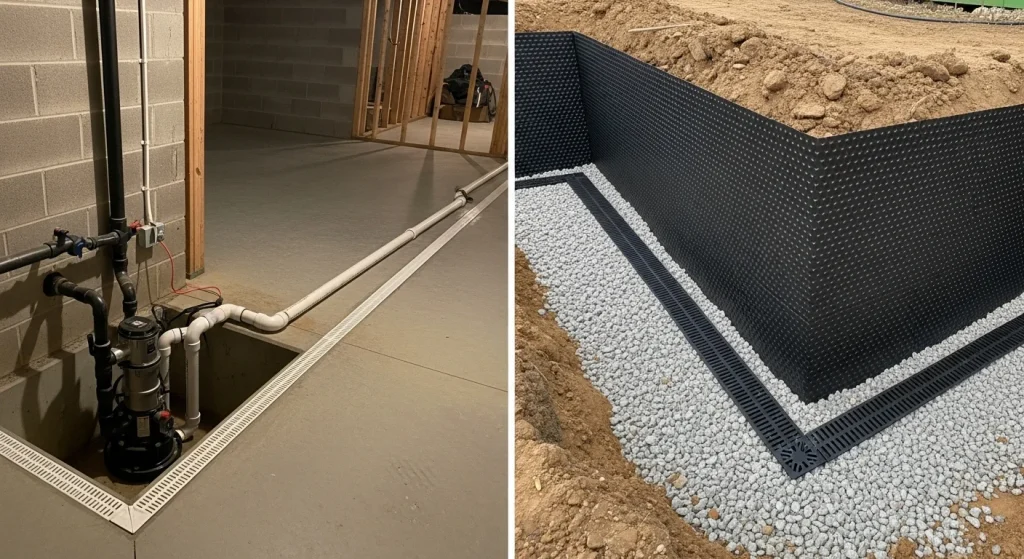
The core distinction between interior and exterior waterproofing lies in where they intercept water and how they manage it.
Exterior waterproofing takes a preventive approach, stopping water before it ever reaches your foundation walls. These systems create barriers on the exterior of your foundation and redirect groundwater away from your home. Think of it as building a comprehensive defense perimeter that keeps the enemy from ever reaching your walls.
Interior waterproofing takes a management approach, controlling water after it penetrates your foundation walls but before it damages your basement living space. These systems acknowledge that water will reach your foundation and focus on collecting and removing it efficiently. Rather than keeping water out, interior systems provide controlled pathways for water to flow into your drainage system rather than onto your basement floor.
Neither approach is inherently superior in all situations. The best solution depends on the severity of your water problems, your home’s construction, site conditions, budget constraints, and long-term goals for your property.
Exterior waterproofing represents the most thorough solution for basement water problems, addressing the issue at its source rather than managing symptoms.
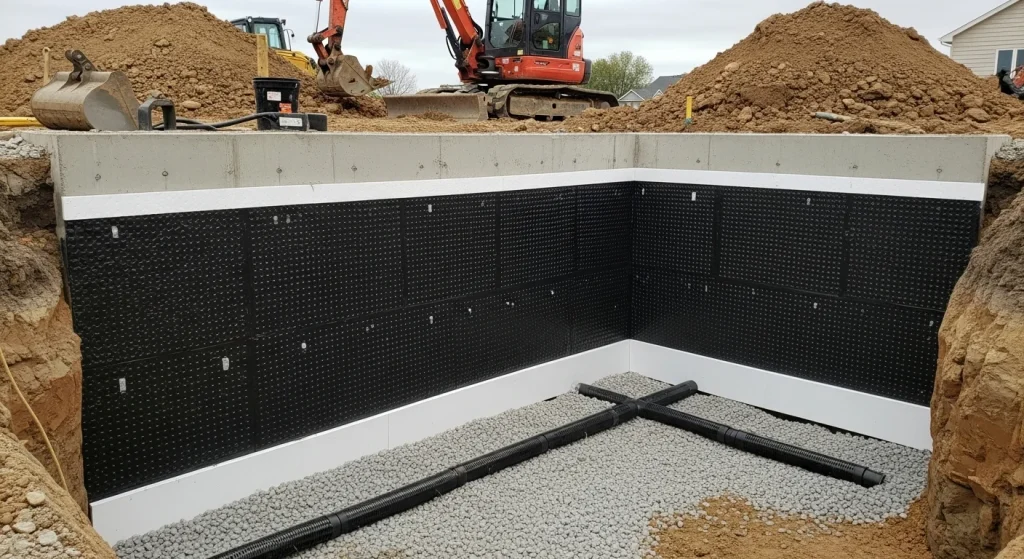
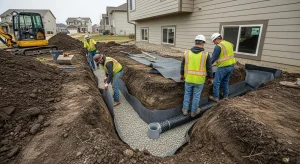
Complete exterior waterproofing involves excavating around your home’s perimeter to expose foundation walls from ground level down to the footings, typically 8-10 feet deep. Once exposed, contractors thoroughly clean the foundation walls, repair any cracks or damage, and apply waterproof barriers.
These barriers take various forms. Some contractors apply thick, rubberized coatings that create a seamless waterproof membrane. Others install sheet membranes, essentially thick, durable plastic barriers that attach directly to foundation walls. The most advanced systems use dimpled drainage boards that not only waterproof but also create an air gap and drainage plane against the foundation.
Simultaneously, contractors install or replace exterior drain tile, a perforated pipe system positioned at footing level and surrounded by gravel and filter fabric. This drainage system intercepts groundwater before it can build hydrostatic pressure against your walls, routing it to appropriate discharge locations, such as storm sewers, drainage swales, or dry wells.
After waterproofing and drainage installation, contractors backfill the excavation, typically replacing heavy clay soil near the foundation with more permeable fill that drains better. Finally, they restore grading to ensure surface water flows away from your foundation.
Exterior systems offer several compelling benefits that make them the gold standard for basement waterproofing when conditions and budget allow.
Most significantly, exterior waterproofing prevents water from ever saturating your foundation walls. This protects the concrete itself from deterioration caused by constant moisture exposure. It also prevents moisture from entering your basement through foundation walls, eliminating dampness problems that interior systems can’t fully address.
By managing water before it reaches your foundation, exterior systems also reduce or eliminate hydrostatic pressure, the tremendous force that water-saturated soil exerts against foundation walls. This protects your foundation’s structural integrity and prevents the bowing, cracking, and movement that hydrostatic pressure causes over time.
Exterior waterproofing also provides an opportunity to inspect and repair foundation damage that may be hidden beneath ground level. Cracks, deteriorated mortar, and structural issues become visible during excavation, allowing contractors to address them properly before waterproofing.
When properly installed with quality materials, exterior waterproofing systems can last 50 years or more, potentially the lifetime of your home. This makes them the most permanent solution available despite their higher initial cost.
The primary drawback of exterior waterproofing is cost. Excavating around your home’s perimeter requires substantial labor and equipment. For an average Omaha home, complete exterior waterproofing typically costs $8,000-$15,000, with larger homes or challenging sites pushing costs even higher.
Excavation also disrupts your property significantly. Landscaping, driveways, sidewalks, patios, or decks adjacent to your foundation may need to be removed and replaced. Mature trees and established gardens can be damaged or destroyed. The excavation process itself is noisy, messy, and disruptive to your daily life for one to two weeks.
Site access presents another limitation. Homes with narrow side yards, adjacent structures, or other access constraints may make excavation difficult or impossible. Equipment needs room to maneuver, and contractors need space to pile excavated soil during the work.
Exterior waterproofing also becomes less practical, though not impossible, during Omaha’s winter months when frozen ground complicates excavation. This limits the working season and may mean waiting months for favorable weather if you discover water problems during winter.
Interior waterproofing offers effective water management without the cost, disruption, and access challenges of exterior excavation, making it the most common choice for Omaha homeowners dealing with basement water problems.
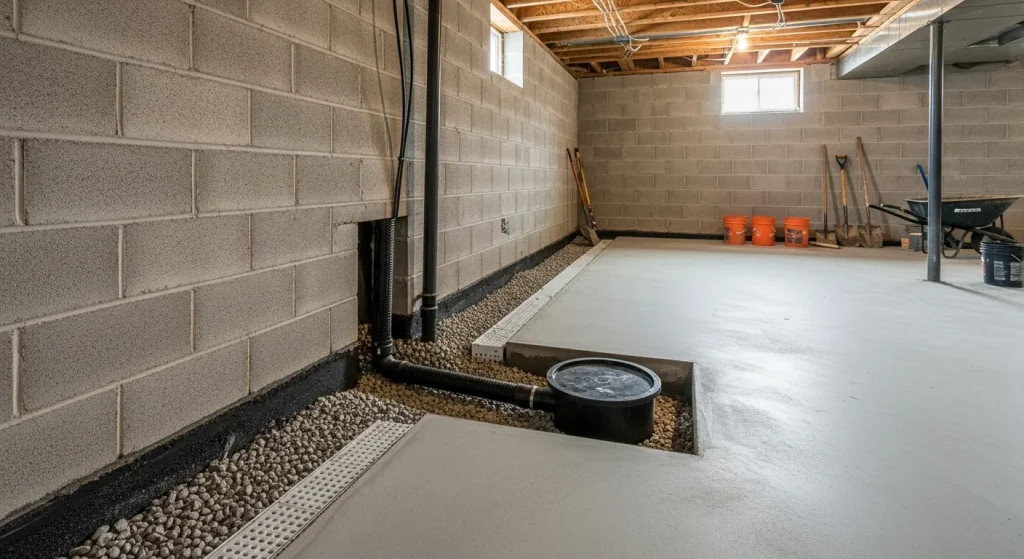
Interior systems typically focus on perimeter drainage that intercepts water at the foundation’s most vulnerable point—the cove joint where the floor meets the walls. Contractors remove a strip of concrete approximately 12-18 inches wide along the basement perimeter, exposing the footing area below.
They then install a perforated drain pipe in a gravel bed positioned to collect water that enters at the floor-wall joint or seeps through foundation walls. This drainage connects to a sump pump basin located at the lowest point of your basement. Water flowing into the drainage system travels by gravity to the sump basin, where a pump automatically activates to remove water and discharge it outside your home.
The concrete strip is then replaced, though the patch line remains visible. Some contractors install basement drainage systems beneath the existing floor without removing concrete, but this approach is less practical and more prone to problems.
Additional interior waterproofing measures include applying waterproof sealants or coatings to basement walls, installing vapor barriers or drainage panels that channel wall moisture downward into the drainage system, and adding dehumidification to manage any remaining moisture and prevent mold growth.
Interior systems offer several practical advantages that make them appealing despite being less comprehensive than exterior solutions.
Cost represents the most significant advantage. Interior waterproofing typically costs $4,000-$8,000 for an average basement, roughly half the expense of exterior waterproofing. For homeowners with limited budgets, interior solutions provide effective water management at more accessible price points.
Installation causes minimal property disruption. There’s no excavation, no landscaping damage, and no need for heavy equipment to tear up your yard. Contractors work entirely in your basement, and most installations are completed within a few days rather than the 1 to 2 weeks required for exterior work.
Interior systems operate year-round, regardless of weather or ground frost, providing flexibility in emergencies when water problems demand immediate attention.
They’re also ideal for homes where exterior waterproofing isn’t feasible due to access constraints, attached structures, or other site limitations. If you can’t excavate around your foundation, interior waterproofing provides your only practical option.
Perhaps surprisingly, interior drainage systems often work more reliably than exterior systems for managing hydrostatic pressure. Because they position drainage at the critical floor-wall joint, where pressure is most significant, they effectively relieve pressure even when groundwater levels are high. Exterior drains can sometimes become overwhelmed during extreme wet periods, while sump pumps can be sized to handle virtually any water volume.
Interior systems have meaningful limitations that homeowners must understand before choosing this approach.
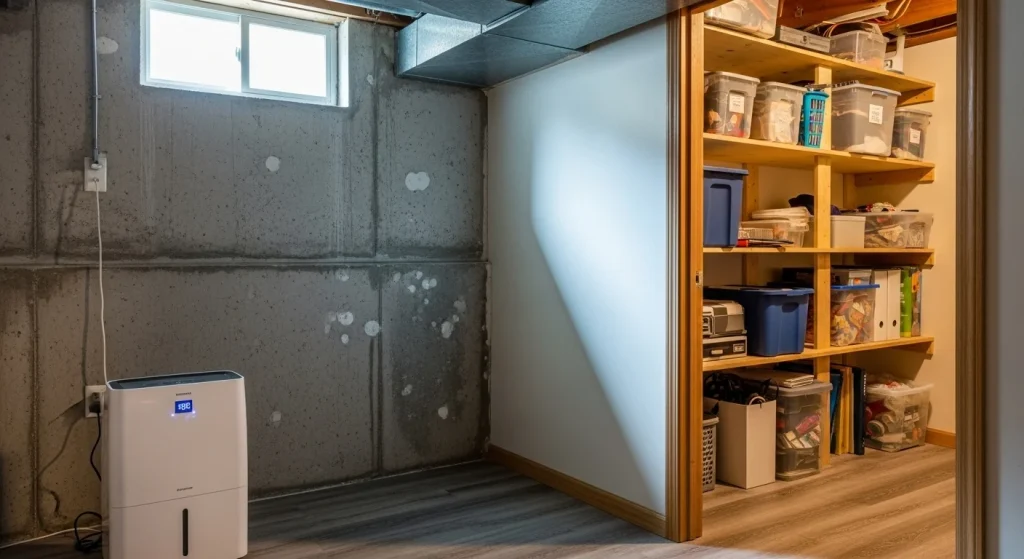
Most importantly, interior waterproofing doesn’t prevent water from saturating your foundation walls; it only manages water after it’s already reached your foundation. This means your concrete remains constantly exposed to moisture, which can cause gradual deterioration over decades. Moisture can also penetrate through walls, creating dampness in your basement even when the floor stays dry.
Interior systems don’t address exterior foundation damage or deterioration. Problems hidden beneath ground level remain undetected and unrepaired, potentially worsening over time.
The visible seam where contractors cut and replaced concrete creates an aesthetic concern for finished basements, though it can be covered with flooring. The system also requires a sump pump that needs power, makes noise when operating, and requires ongoing maintenance and eventual replacement.
Interior waterproofing also slightly reduces ceiling height where drainage channels are installed, which can be problematic in basements with already-limited headroom.
Omaha’s unique conditions influence the effectiveness of interior and exterior waterproofing in specific ways that should inform your decision.
Omaha’s heavy clay soils with poor drainage make exterior solutions particularly effective. By preventing water from saturating clay around your foundation, exterior waterproofing addresses the root cause of Omaha’s worst basement water problems: clay that holds moisture like a sponge and creates tremendous hydrostatic pressure.
For older Omaha homes built before modern waterproofing standards, exterior waterproofing offers an opportunity to bring the foundation up to current protection levels while repairing decades of hidden deterioration.
Homes in areas with high water tables or clay soil that stays saturated for extended periods benefit most from exterior solutions that keep water entirely away from foundations, rather than managing it after it arrives.
If you’re planning a major landscaping renovation or installing other systems requiring excavation anyway, adding exterior waterproofing during that work makes financial sense by sharing excavation costs.
For most Omaha homeowners facing moderate basement water problems, interior waterproofing is the most practical and cost-effective solution.
Homes in established neighborhoods with mature landscaping, close property lines, or limited access make exterior excavation impractical or prohibitively expensive. Interior solutions work regardless of these constraints.
When water problems appear suddenly and require immediate attention during the spring flooding season, for example, interior systems can be installed quickly without waiting for suitable weather or scheduling excavation work.
For homeowners planning to sell within 5-10 years, the lower cost of interior waterproofing provides adequate protection without the full investment required for exterior systems. The transferable warranty that quality contractors provide adds value and buyer confidence.
Homes with finished basements that experience modest, occasional seepage rather than flooding often need only interior solutions to provide adequate protection while preserving the finished space with minimal disruption.
Many Omaha homes benefit from combining interior and exterior strategies rather than choosing one over the other. This hybrid approach addresses water problems comprehensively while managing costs.
A standard hybrid solution involves installing interior drainage and sump pump systems for reliable water removal, while implementing exterior surface drainage improvements, proper grading, functional gutters and downspouts with extensions, and, if needed, exterior French drains in problem areas. This combination prevents most water from reaching your foundation while managing any that does with interior systems.
Another hybrid approach involves exterior waterproofing only on the most problematic sides of your home, typically the side facing uphill or receiving the most weather exposure, while using interior systems elsewhere. This focuses investment where it provides maximum benefit.
Choosing between interior and exterior waterproofing requires an honest assessment of several factors specific to your situation.
Minor dampness or occasional seepage during extreme weather often responds adequately to interior solutions. Chronic water infiltration, standing water after every rain, or visible hydrostatic pressure effects, such as bowed walls, demand more comprehensive exterior solutions.
Older foundations in unknown condition benefit from exterior work that allows for a complete inspection and repair. Relatively new foundations in good condition may only need interior drainage management.
Need immediate protection? Interior systems install quickly. Planning long-term foundation health? Exterior solutions provide superior longevity.
Can you invest $8,000-$15,000 in exterior waterproofing, or does your budget better accommodate $4,000-$8,000 for interior systems? Remember that financing options exist for both approaches.
Access limitations, landscaping concerns, and site characteristics may decide for you.
Staying in your home for decades justifies investing in comprehensive exterior solutions. Planning to sell soon makes cost-effective interior systems more practical.
The best decision starts with a professional assessment from qualified waterproofing contractors familiar with Omaha’s specific challenges. Quality contractors will thoroughly inspect your basement, identify water entry points and underlying causes, explain both interior and exterior options with honest assessments of each approach’s effectiveness for your situation, provide detailed written estimates, and discuss warranties and guarantees.
Obtain quotes from multiple reputable contractors, but don’t choose based solely on price. The cheapest quote often comes from contractors who use inferior materials or propose incomplete solutions. Focus instead on contractors with proven track records, high-quality materials, comprehensive warranties, and solutions that effectively address your specific water problems.
Whether you choose interior, exterior, or a hybrid approach, the critical factor is taking action to protect your foundation before water damage becomes extensive and expensive. Both methods can work effectively in Omaha when properly designed and installed by qualified professionals.
Your foundation supports everything you value in your home. Investing in appropriate waterproofing, whatever approach best fits your situation, protects that foundation, preserves your property value, and provides peace of mind through every storm season. The water problems you address today won’t become the structural catastrophes of tomorrow, and that’s an investment that pays dividends for as long as you own your home.
Why Omaha Basements Leak: Clay Soil, Water Tables & Foundation Challenges Basement leaks plague thousands of Omaha homeowners every year,
Financing Basement Waterproofing in Omaha: Payment Options & Programs Basement waterproofing in Omaha is a significant but essential investment that
Drainage Tile Systems in Omaha: Protecting Foundations from Groundwater Drainage tile systems are among the most effective solutions for protecting
Basement Window Well Waterproofing: Preventing Leaks in Omaha Basement window wells are among the most common yet frequently overlooked sources
Signs Your Basement Needs Waterproofing: Omaha Homeowner Checklist Your basement speaks volumes about your home’s foundation health, but many Omaha
Signs of Basement Water Damage in Omaha Homes: Early Warning Checklist Early detection of basement water damage can save Omaha