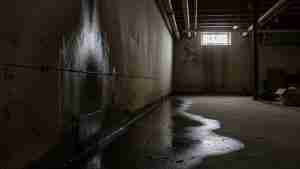
Why Omaha Basements Leak: Clay Soil, Water Tables & Foundation Challenges
Why Omaha Basements Leak: Clay Soil, Water Tables & Foundation Challenges Basement leaks plague thousands of Omaha homeowners every year,




If you’ve ever noticed water seeping through your basement walls, cracks appearing in your foundation, or walls that seem to be bowing inward, you’re witnessing the destructive power of hydrostatic pressure. This silent force operates continuously beneath Omaha homes, and when drainage systems fail or soil conditions change, it can wreak havoc on your foundation with surprising speed.
Understanding hydrostatic pressure is essential for every Omaha homeowner. The region’s clay-rich soils, variable precipitation, and freeze-thaw cycles create ideal conditions for hydrostatic pressure to build up against foundation walls. Left unchecked, this pressure causes thousands of dollars in damage to cracked foundations, flooded basements, and structural problems that threaten your home’s integrity and value.
This guide explains what hydrostatic pressure is, why it’s particularly problematic in Omaha, how to recognize its effects on your home, and most importantly, how to stop it from damaging your foundation.
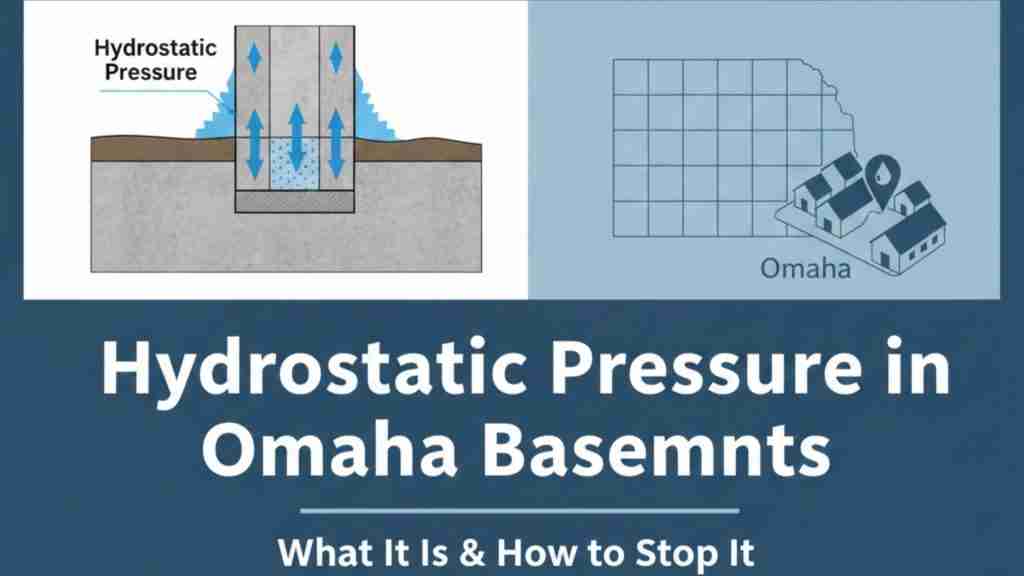
Hydrostatic pressure is the force exerted by standing or accumulated water against a surface. In the context of your basement, it’s the lateral pressure that groundwater exerts against your foundation walls when the soil surrounding your home becomes saturated.
The physics behind hydrostatic pressure is straightforward: water has weight, and that weight creates pressure. For every foot of water depth, the pressure increases by approximately 62.4 pounds per square foot. When the soil around your foundation becomes waterlogged after heavy rain or snowmelt, the water-saturated soil exerts tremendous force on your foundation walls.
Think of your foundation as a container sitting in the ground. When the soil around it becomes saturated, your basement walls are essentially holding back a massive volume of water seeking the path of least resistance. Any weakness in your foundation, a crack, a cold joint between the floor and wall, porous concrete, or gaps around utility penetrations becomes an entry point where water forces its way inside.
The pressure doesn’t distribute evenly. It’s greatest at the lowest points of your foundation, where the water column is deepest. This explains why water infiltration and structural damage often appear first in the lower portions of basement walls or at the floor-wall joint.
Unlike surface water that you can see and redirect, hydrostatic pressure operates invisibly underground. You don’t know the problem with the building until water appears inside your basement or cracks develop in your foundation. By that point, the pressure has been working against your foundation for some time, potentially causing damage that requires expensive repairs.
Omaha’s unique combination of soil conditions, climate patterns, and geography creates an environment where hydrostatic pressure poses a grave threat to home foundations.
Much of Omaha sits atop heavy clay soils with poor drainage. Clay particles are tiny and tightly packed, leaving little space for water to flow through. While sandy or gravelly soils allow water to percolate downward relatively quickly, clay essentially traps water, forcing it to remain in the upper soil layers where it saturates the ground around foundations.
This clay also has expansive properties; it swells significantly when wet and shrinks when dry. This constant expansion and contraction creates additional stress on foundation walls beyond just the hydrostatic pressure from water weight. During wet periods, the expanding clay exerts tremendous force on foundations, sometimes exceeding 5,000 pounds per square foot in severe cases.
Omaha receives approximately 30 inches of precipitation annually, but this doesn’t arrive as gentle, consistent rainfall. Much of it comes during intense spring and summer thunderstorms that can dump 2-4 inches of rain in a matter of hours. The soil cannot absorb water this quickly, leading to water accumulation around foundations.
Spring presents additional challenges. When deep snowpack melts, especially during rapid warm-ups, enormous volumes of water saturate the ground all at once. This seasonal pattern means Omaha basements face peak hydrostatic pressure during spring months when frozen ground prevents downward drainage and melting snow overwhelms the soil’s absorption capacity.
Omaha’s winters feature frequent freeze-thaw cycles as temperatures fluctuate between freezing and above-freezing. When the ground freezes to depths of 18-36 inches, it creates an impermeable frozen layer that prevents water from draining downward. Water trapped above this frozen layer has nowhere to go except laterally against foundation walls.
These cycles also worsen foundation vulnerabilities. Water that enters small cracks freezes and expands by approximately 9%, widening the cracks with each cycle. Over successive winters, minor imperfections become major structural flaws that allow greater water infiltration when hydrostatic pressure builds.
Some Omaha neighborhoods experience significant fluctuations in water table levels between wet and dry seasons. Homes built in areas with high water tables or near streams and drainage corridors are prone to persistent hydrostatic pressure problems. The water table can rise several feet during wet periods, bringing groundwater right up against foundation walls and creating continuous pressure.
Recognizing the warning signs of hydrostatic pressure damage allows you to intervene before minor problems become structural catastrophes. These signs typically appear gradually and worsen over time as the pressure continues working against your foundation.
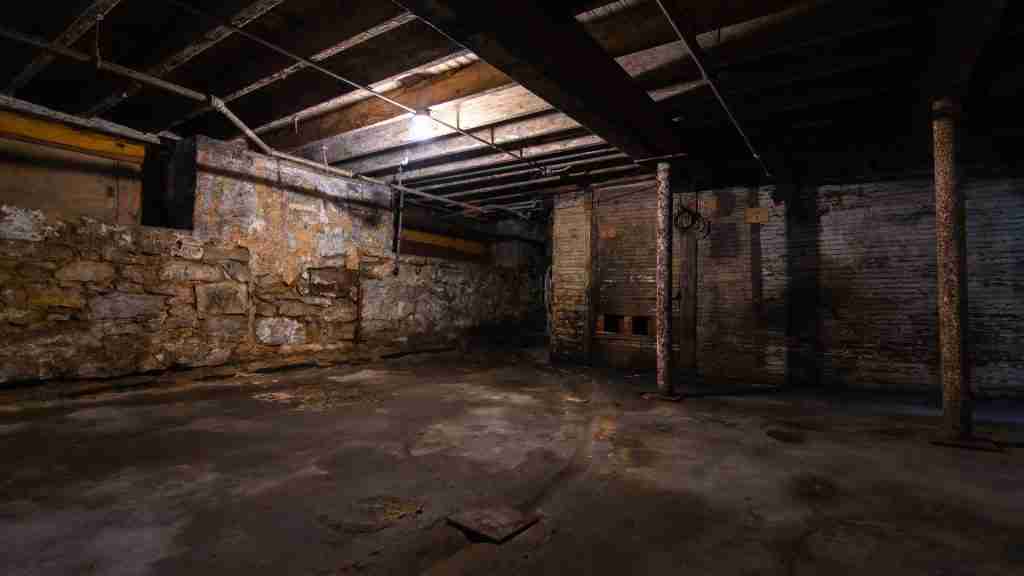
The most apparent sign is water appearing inside your basement. This might manifest as puddles on the floor after heavy rain, damp spots on walls during wet weather, or actual streams of water flowing from cracks or the floor-to-wall joint. Water often enters at the cove joint, the seam where the basement floor meets the walls, because this represents a natural weak point in foundation construction.
Efflorescence, those white, chalky deposits on basement walls, indicates that water is penetrating through the concrete and bringing dissolved minerals to the surface as it evaporates. Even if you don’t see standing water, efflorescence proves that moisture is moving through your foundation under pressure.
Horizontal cracks in foundation walls are particularly concerning indicators of hydrostatic pressure. As pressure builds against the wall exterior, it can cause the wall to crack horizontally, typically in the middle section where the force is greatest relative to the wall’s support structure. These cracks may start small but widen over time as pressure continues to build.
Vertical cracks can also result from hydrostatic pressure, especially when combined with settling or soil movement. While vertical cracks following mortar joints are less severe, any crack wider than 1/4 inch or actively widening should be evaluated by a professional.
Step cracks following mortar lines in block or brick foundations indicate significant structural stress, often due to a combination of hydrostatic pressure and differential settlement.
Perhaps the most alarming manifestation of hydrostatic pressure is the bowing or leaning of foundation walls. Constant pressure against exterior walls can cause them to deflect inward, creating a noticeable curve or lean. This represents a serious structural problem requiring immediate professional attention.
You can check for bowing by stretching a string horizontally along the wall’s length. Any gap between the string and the wall indicates inward deflection. Even deflection of just an inch or two signals significant pressure and compromised structural integrity.
While less common than wall problems, floor cracks and heaving can also result from hydrostatic pressure. When pressure beneath the basement floor exceeds the weight of the concrete slab, it can cause the floor to crack or even lift. This typically occurs in homes without proper subslab drainage or vapor barriers.
Even without visible water infiltration, hydrostatic pressure can force moisture through foundation walls, creating chronically damp conditions. If your basement feels humid, smells musty, or requires constant dehumidifier operation, water is likely penetrating through your foundation under pressure.
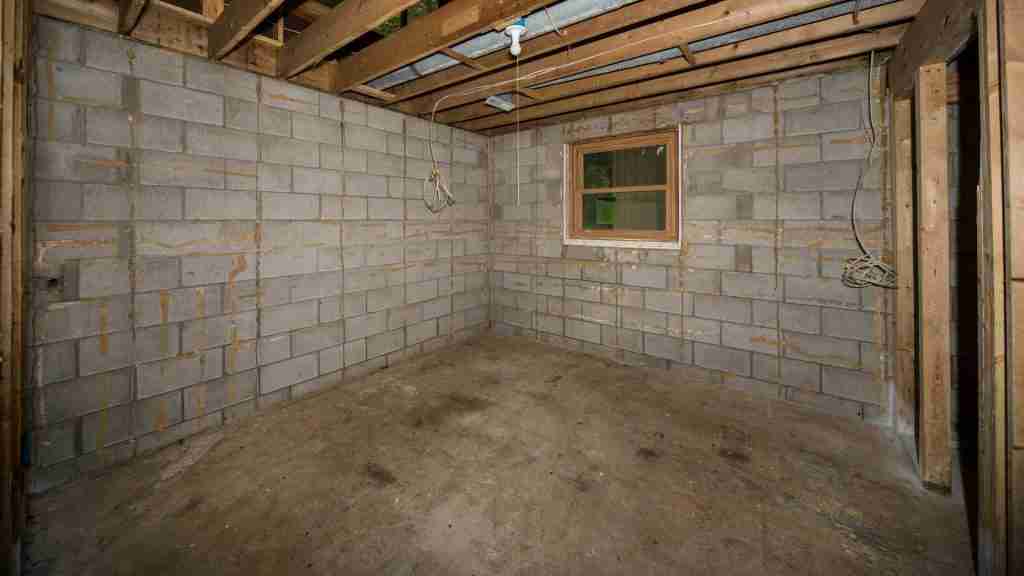
Controlling hydrostatic pressure requires a comprehensive approach that prevents water from accumulating around your foundation in the first place and manages any water that does reach it before it can build damaging pressure.
The most effective strategy is to address water before it reaches your foundation. Proper surface drainage starts with correct grading. Your yard should slope away from your foundation at least 2-3% for a minimum of 10 feet in all directions. This simple measure prevents surface water from flowing toward your foundation and saturating the soil around it.
Gutters and downspouts play a critical role in managing roof runoff. A typical roof sheds thousands of gallons during heavy rain, and if this water discharges directly onto your foundation, it can create massive localized saturation and pressure. Downspout extensions should carry water at least 6-10 feet away from your foundation, depositing it where it can safely disperse without affecting your basement.
For properties with more serious drainage challenges, exterior French drains provide comprehensive protection. These systems involve excavating around your foundation perimeter, installing perforated drain pipe at footing level surrounded by gravel and filter fabric, and routing collected water to appropriate discharge points. This system intercepts groundwater before it can create hydrostatic pressure against your walls.
The excavation required for exterior drainage also provides an opportunity to apply a waterproof membrane or coating to foundation walls, creating an additional barrier against water infiltration. While expensive, typically $8,000-$15,000 for complete perimeter systems, exterior drainage offers the most thorough and permanent solution to hydrostatic pressure problems.
When exterior solutions aren’t feasible due to cost, access limitations, or existing landscaping, interior drainage systems provide adequate pressure relief. These systems don’t prevent water from saturating the soil around your foundation, but they manage it before it floods your basement.
Interior perimeter drains, often called interior French drains or drain tile systems, involve removing a strip of basement floor along the walls, installing perforated pipe in a gravel bed at footing level, and routing collected water to a sump pump. This system relieves hydrostatic pressure by providing an easy path for water to follow into your drainage system rather than through your walls.
The sump pump then actively removes collected water, pumping it outside to an appropriate discharge location. Quality sump pump systems include battery backup to maintain protection during power outages, which often occur during the severe storms that create peak hydrostatic pressure.
While interior systems cost less than exterior solutions, typically $4,000-$8,000 installed, they don’t prevent water from saturating foundation walls. This means some dampness may persist, and you’ll need to manage humidity with dehumidification. However, they effectively prevent basement flooding and relieve the destructive pressure that causes structural damage.
Existing cracks provide pathways for water under pressure to enter your basement. Repairing these cracks is essential to both prevent infiltration and prevent further structural damage from freeze-thaw cycles.
Minor cracks can be sealed using hydraulic cement or epoxy injection. Hydraulic cement expands as it cures, filling cracks and creating a waterproof seal. Epoxy injection provides structural bonding that actually strengthens the foundation while sealing the crack.
Larger structural cracks require more extensive repair, potentially including carbon fiber reinforcement to prevent further movement. If cracks indicate foundation settlement or serious structural issues, you may need foundation underpinning or stabilization before waterproofing solutions can be effective.
For new construction or significant renovations, subslab vapor barriers and drainage provide critical protection against hydrostatic pressure from below. A layer of gravel beneath the basement floor connected to perimeter drainage allows water to drain away rather than building pressure under the slab. A vapor barrier over the gravel prevents moisture from wicking upward through the concrete.
While it is impossible to add to existing basements without complete floor removal, understanding these systems helps explain why some newer homes handle hydrostatic pressure better than older construction.
The soil immediately around your foundation deserves attention. Dense clay should be replaced with more permeable fill for several feet around your foundation perimeter. This creates a drainage buffer that allows water to move away from your foundation more easily, rather than saturating clay soil that holds water like a sponge.
Proper compaction of this fill soil is essential, as loose soil settles over time, creating depressions that collect water. Compact fill in thin lifts (layers 4-6 inches thick) to maintain proper density while ensuring good drainage.
Properties with naturally high water tables face continuous hydrostatic pressure challenges. In these situations, passive drainage systems may be insufficient, requiring active water management through continuously operating sump pump systems or even exterior drainage systems connected to storm sewers or drainage easements.
Some communities offer programs for connecting foundation drainage to municipal storm sewers, eliminating the need to manage discharge on your property. Check with Omaha’s planning department about regulations and programs for foundation drainage connections.
Once you’ve implemented solutions to control hydrostatic pressure, ongoing maintenance ensures they continue protecting your foundation effectively.
Inspect and clean gutters at least twice annually, particularly in the fall after leaves drop. Verify that downspout extensions remain properly positioned and undamaged, as they often get moved during lawn care or crushed by snow. Check your property’s grading each spring and add fill dirt as needed to maintain a proper slope away from your foundation.
Test your sump pump quarterly by pouring water into the pit to ensure it activates properly and discharges outside. Replace battery backup systems every 3-5 years before they fail. Listen for unusual noises or frequent cycling that might indicate developing problems.
After heavy rain, walk your property to observe water flow patterns. Note any areas where water pools near your foundation or seems to flow toward rather than away from your house. Address these drainage problems promptly before they create sustained pressure against your foundation.
Monitor your basement for new cracks, increased dampness, or other signs that hydrostatic pressure may be building despite your waterproofing measures. Catching problems early allows for minor adjustments rather than major repairs.
Addressing hydrostatic pressure requires investment, but the cost of inaction far exceeds the expense of proper solutions. Basic surface drainage improvements, regrading, and extending downspouts might cost $500-$2,000 and provide substantial protection for homes with minor pressure problems.
Interior drainage systems with sump pumps typically cost $4,000-$8,000, while comprehensive exterior drainage and waterproofing runs $8,000-$15,000 or more, depending on your home’s size and site conditions.
Compare these figures to foundation repair costs: wall stabilization for bowing walls costs $4,000-$15,000, foundation underpinning or piering runs $10,000-$30,000 or more, and complete foundation replacement can exceed $50,000 for severe structural failure.
Hydrostatic pressure damage develops progressively. The longer you wait to address it, the more extensive and expensive the repairs become. Early intervention when you first notice dampness, minor cracks, or water infiltration—provides the most cost-effective protection.
Your foundation supports everything above it and must withstand tremendous forces from the soil beneath it. Hydrostatic pressure is one of the greatest threats to foundation integrity, but it’s one you can manage effectively with proper drainage solutions and ongoing maintenance.
For Omaha homeowners, understanding and controlling hydrostatic pressure isn’t optional; it’s essential for protecting your home’s structural integrity and preserving your property value. Whether you’re dealing with minor seepage or serious structural concerns, taking action now prevents the progressive damage that turns manageable problems into costly catastrophes.
Invest in comprehensive drainage solutions, maintain them diligently, and monitor your basement for any signs of developing pressure problems. Your foundation and your peace of mind will benefit from proactive protection against the invisible but destructive force of hydrostatic pressure.
Why Omaha Basements Leak: Clay Soil, Water Tables & Foundation Challenges Basement leaks plague thousands of Omaha homeowners every year,

Financing Basement Waterproofing in Omaha: Payment Options & Programs Basement waterproofing in Omaha is a significant but essential investment that
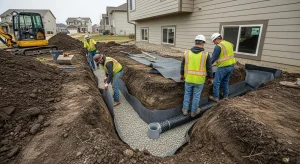
Drainage Tile Systems in Omaha: Protecting Foundations from Groundwater Drainage tile systems are among the most effective solutions for protecting
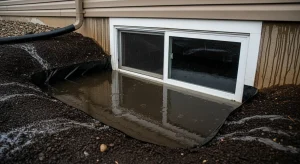
Basement Window Well Waterproofing: Preventing Leaks in Omaha Basement window wells are among the most common yet frequently overlooked sources
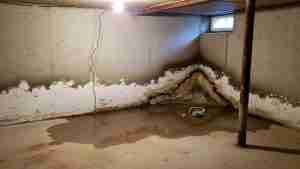
Signs Your Basement Needs Waterproofing: Omaha Homeowner Checklist Your basement speaks volumes about your home’s foundation health, but many Omaha
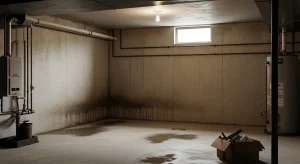
Signs of Basement Water Damage in Omaha Homes: Early Warning Checklist Early detection of basement water damage can save Omaha