Why Omaha Basements Leak: Clay Soil, Water Tables & Foundation Challenges
Why Omaha Basements Leak: Clay Soil, Water Tables & Foundation Challenges Basement leaks plague thousands of Omaha homeowners every year,




A wet basement is more than just an inconvenience; it’s a threat to your home’s structural integrity, your family’s health, and your property value. For Omaha homeowners dealing with basement moisture issues, the question isn’t whether to waterproof, but how much it will cost and which solutions will provide the best protection for their investment.
Basement waterproofing costs in Omaha vary dramatically based on the severity of your water problems, the solutions required, and your home’s specific characteristics. Understanding these cost factors helps you budget appropriately and make informed decisions about protecting your home. While no homeowner wants to spend thousands on invisible improvements beneath their house, the cost of waterproofing pales in comparison to the expense of foundation damage, mold remediation, or structural repairs that result from chronic water infiltration.
This comprehensive guide breaks down basement waterproofing costs in Omaha, explains factors that influence pricing, and helps you understand which solutions offer the best value for your specific situation.
Basement waterproofing isn’t a one-size-fits-all solution, and costs reflect this reality. Omaha homeowners can expect to invest anywhere from a few hundred dollars for simple DIY fixes to $15,000 or more for comprehensive professional waterproofing systems.
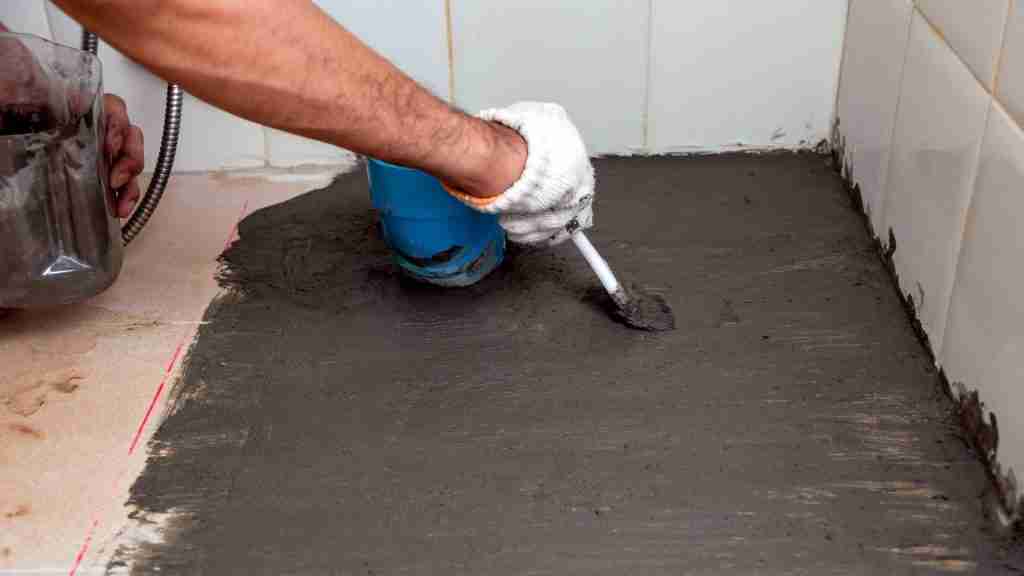
For minor moisture issues, basic solutions such as improving exterior drainage, sealing small cracks, or applying waterproof paint can cost $500-$2,000. These approaches work well for homes with minimal water intrusion, occasional dampness, rather than active water infiltration.
Mid-range interior waterproofing solutions, including installing a sump pump system with interior drainage, typically cost $3,000-$7,000 for an average-sized basement. This range represents the most common scenario for Omaha homes with moderate water problems that require professional intervention but don’t need extensive exterior work.
Comprehensive waterproofing projects involving exterior excavation, membrane installation, and complete perimeter drainage systems can range from $8,000 to $15,000 or more, depending on the basement’s size, depth, and accessibility. While this represents a significant investment, it provides the most thorough and permanent solution for serious water infiltration problems.
Severe foundation issues requiring structural repairs in addition to waterproofing can push costs beyond $20,000. These situations involve foundation cracks, bowing walls, or significant structural compromise that must be addressed alongside water management.
Interior waterproofing solutions manage water after it enters the foundation wall but before it damages your basement living space. These systems are generally less expensive than exterior waterproofing and can be installed without extensive excavation.
A sump pump system forms the heart of most interior waterproofing approaches. Basic sump pump installation costs $1,500-$3,000, including the pump, basin, discharge line, and labor. This price assumes a relatively straightforward installation in an existing basement with accessible locations for the sump pit and discharge routing.
Battery backup sump pump systems add $500-$1,200 to your investment but provide critical protection during power outages, precisely when Omaha homes are most vulnerable to flooding during severe storms. Given the region’s weather patterns, most waterproofing professionals strongly recommend backup systems.
High-capacity or commercial-grade pumps designed for homes with severe water intrusion or large basements cost $2,000 to $4,000 installed. These systems feature more powerful motors, larger capacities, and enhanced durability for demanding conditions.
Interior perimeter drainage, often called a French drain system or drain tile system, installed inside the basement, costs $4,000-$8,000 for an average basement. This approach involves removing a strip of concrete along the basement perimeter, installing perforated drain pipe in a gravel bed at footing level, and routing collected water to a sump pump. The concrete is then replaced, though the patch will be visible.
This solution effectively manages hydrostatic pressure and intercepts water before it enters your basement. While less expensive than exterior drainage, it doesn’t prevent water from saturating the foundation walls, so that some dampness may persist even after installation.
For homes with minor moisture problems, interior solutions may suffice. Waterproof paint or sealant applied to basement walls costs $3-$5 per square foot for professional application, or $200-$500 for DIY projects using quality products from home improvement stores. However, understand that these solutions only address surface moisture and minor dampness; they cannot stop active water infiltration and may fail under hydrostatic pressure.
Vapor barrier systems involving plastic sheeting or specialized basement wall panels cost $1,500-$4,000 installed. These systems channel wall moisture downward to drainage systems rather than allowing it to enter your basement air, reducing humidity and preventing mold growth.
While not waterproofing per se, dehumidifiers play an essential role in managing basement moisture. Quality basement dehumidifiers designed for the cooler temperatures and higher moisture loads typical of basements cost $200-$400 for homeowner-installed units or $2,000-$3,000 for whole-house dehumidification systems professionally integrated with your HVAC.
Exterior waterproofing addresses water problems at their source, preventing moisture from ever reaching your foundation walls. These solutions typically cost more than interior approaches due to excavation requirements but provide superior long-term protection.
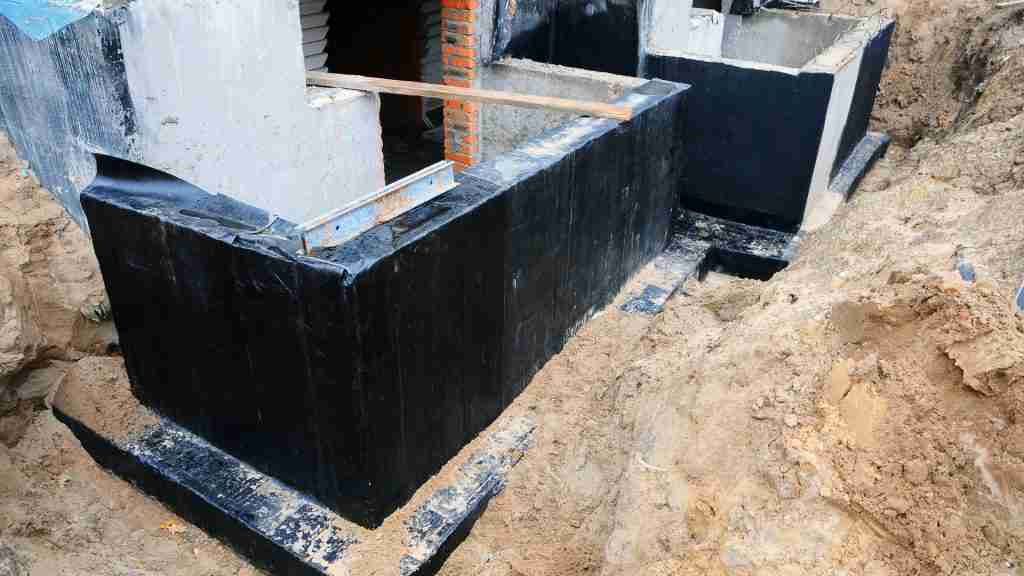
Complete exterior waterproofing involves excavating around your home’s perimeter to expose the foundation walls, then applying a waterproof membrane or coating and installing drainage systems. This comprehensive approach costs $8,000-$15,000 for average homes, with costs increasing for larger homes, deeper foundations, or sites with difficult access.
The excavation itself represents a significant portion of this cost. Contractors must dig down to the foundation footings, often 8-10 feet deep, around your home’s entire perimeter or the affected sections. This requires heavy equipment, careful attention to utilities and landscaping, and substantial labor. Excavation alone can cost $50-$200 per linear foot, depending on depth and site conditions.
Once exposed, foundation walls receive thorough cleaning, crack repair, and the application of a waterproofing membrane or a thick elastomeric coating. Professional-grade membranes cost $3-$6 per square foot installed. Some contractors use spray-applied membranes, while others install sheet membranes that provide more reliable long-term protection.
Installing or replacing exterior drain tile costs $3,000-$8,000 as part of excavation work. This perforated pipe system, installed along the foundation footings, collects water and routes it away from your foundation before it can create hydrostatic pressure. The pipe connects to a discharge point that carries water to storm sewers, drainage swales, or appropriate locations on your property.
Quality exterior drainage systems include a gravel bed surrounding the perforated pipe, filter fabric to prevent sediment intrusion, and proper grading to ensure positive flow away from your foundation. The discharge line must be sized appropriately for Omaha’s heavy rainfall events and installed with sufficient slope to prevent backups.
Foundation cracks often accompany waterproofing projects. Minor crack sealing costs $250-$800 per crack using hydraulic cement or epoxy injection. More significant structural cracks requiring carbon fiber reinforcement or other structural repair methods cost $1,000-$5,000 per crack, depending on severity and length.
Omaha’s freeze-thaw cycles make crack repair particularly important. Water entering cracks freezes and expands during winter, widening the cracks progressively each year. Addressing cracks as part of waterproofing prevents this destructive cycle.
Several factors specific to your property and Omaha’s conditions significantly affect waterproofing costs.
Basement Size and Depth
Larger basements require more materials and labor, increasing costs proportionally. A 1,000-square-foot basement costs substantially less to waterproof than a 2,000-square-foot basement. Deeper foundations require more excavation for exterior work, increasing costs by $2,000-$5,000 compared to shallow basements.
Severity of Water Problems
Homes with minor seepage require less extensive solutions than those with standing water after every rain. Severe water intrusion often indicates multiple failure points that require comprehensive solutions, whereas minor dampness may be resolved with targeted repairs and improved drainage.
Accessibility
Properties with finished landscaping, mature trees, concrete patios, or decks adjacent to the foundation incur additional costs for removal and restoration. Difficult site access, which prevents the use of large equipment, can increase excavation costs by 25-50% as workers must dig by hand or use smaller equipment.
Homes in Omaha’s older neighborhoods often face access challenges from narrow side yards, mature landscaping, and underground utilities that complicate excavation.
Soil Conditions
Omaha’s clay-heavy soils present both challenges and considerations for waterproofing. Clay’s poor drainage characteristics make comprehensive waterproofing more critical, but the soil’s stability generally reduces the risk of excavation cave-ins. Rocky soil conditions in some areas increase excavation difficulty and cost.
Existing Drainage Systems
Homes with partially functional drainage systems cost less to upgrade than those requiring a complete new installation. However, old clay tile drains common in vintage Omaha homes often need complete replacement rather than repair, as decades of tree root intrusion and sediment buildup render them non-functional.
Structural Issues
Foundation problems such as bowed walls, significant cracks, or settlement require structural repairs before or alongside waterproofing. Wall stabilization using carbon fiber, steel beams, or wall anchors adds $4,000-$15,000 to project costs, depending on the extent of damage.
Some basement waterproofing tasks fall within the capabilities of handy homeowners, while others absolutely require professional expertise.
DIY-appropriate projects include applying waterproof paint or sealants ($200-$500 in materials), installing or maintaining gutters and downspout extensions ($100-$300), regrading soil around your foundation ($0-$500 for fill dirt), and installing a pre-assembled sump pump in an existing pit ($400-$800 for a quality pump plus backup battery system).
These solutions work well for minor moisture issues and preventive maintenance. However, they cannot address severe water infiltration, structural issues, or situations requiring excavation and the installation of a drainage system.
Professional waterproofing becomes essential for interior drain tile installation, exterior excavation and membrane application, structural repairs, diagnosing complex water intrusion sources, and ensuring work meets building codes and warranty requirements.
The cost difference between DIY and professional work is substantial, with savings of 50-75% for DIY projects. However, improperly executed waterproofing can actually worsen problems, trap moisture in walls, or fail to address the root cause of water intrusion. For anything beyond minor preventive measures, professional expertise provides better long-term value despite higher upfront costs.
Quality waterproofing companies in Omaha offer warranties ranging from 10 years to lifetime coverage on their work. These warranties provide significant value, potentially saving tens of thousands of dollars in future repairs. When comparing quotes, factor in warranty coverage; the lowest bid often comes from contractors offering minimal or no warranty protection.
Transferable warranties add value when selling your home, as they assure buyers that waterproofing work is guaranteed. Some warranty programs include annual inspections, providing ongoing peace of mind and early detection of any emerging issues.
From a home value perspective, professional waterproofing with documentation and warranty coverage adds more to resale value than DIY solutions. A dry basement with documented professional waterproofing can actually increase your home’s marketability, while a water-damage history, even if resolved, can reduce buyer interest and home value.
The cost of basement waterproofing represents a significant investment for most families. Fortunately, several financing options can make these essential repairs more manageable.
Many waterproofing companies offer in-house financing with promotional periods featuring low or zero interest for 12-24 months. Home equity loans or lines of credit typically offer lower interest rates than personal loans, and the interest may be tax-deductible. Personal loans from banks or credit unions are available to homeowners without sufficient home equity. Some Omaha-area programs offer home improvement grants or low-interest loans for health and safety repairs, including waterproofing projects.
Whatever financing approach you choose, remember that delaying waterproofing often increases costs as water damage worsens progressively. The sooner you address water problems, the less extensive and expensive the required solutions become.
To obtain reliable waterproofing cost estimates, contact multiple reputable contractors for on-site evaluations. Quality contractors will thoroughly inspect your basement, identify water entry points, assess foundation condition, explain recommended solutions and alternatives, provide detailed written estimates that break down materials and labor, and discuss warranty coverage and payment terms.
Be skeptical of quotes that seem dramatically lower than others; they often indicate inexperienced contractors, use of inferior materials, or incomplete solutions that won’t effectively solve your water problems. Similarly, be wary of high-pressure sales tactics that push immediate decisions or claim your foundation is in imminent danger without clear evidence.
Ask for references from recent customers with similar projects, verify licensing and insurance coverage, and check ratings with the Better Business Bureau and online review platforms. The right contractor combines competitive pricing with proven expertise, quality materials, and solid warranty protection.
Basement waterproofing costs represent a substantial investment, but one that protects your home’s most fundamental structural element. Water damage doesn’t improve with time; it progressively worsens, eventually causing foundation failure, mold growth, and structural damage that costs far more to repair than proactive waterproofing.
For Omaha homeowners dealing with wet basements, the question isn’t whether you can afford to waterproof it; it’s whether you can afford not to. The investment you make today in comprehensive waterproofing protects your home’s value, preserves your living space, and provides peace of mind through every storm season. While the costs may seem daunting, they’re far more manageable than emergency foundation repairs or the health consequences of mold exposure.
Take action now to evaluate your basement’s waterproofing needs, obtain quotes from qualified professionals, and invest in solutions that will keep your basement dry for decades to come. Your home and your wallet will thank you.
Why Omaha Basements Leak: Clay Soil, Water Tables & Foundation Challenges Basement leaks plague thousands of Omaha homeowners every year,
Financing Basement Waterproofing in Omaha: Payment Options & Programs Basement waterproofing in Omaha is a significant but essential investment that
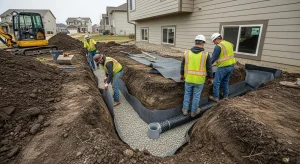
Drainage Tile Systems in Omaha: Protecting Foundations from Groundwater Drainage tile systems are among the most effective solutions for protecting
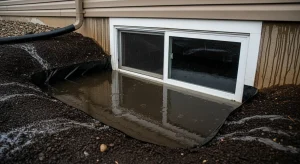
Basement Window Well Waterproofing: Preventing Leaks in Omaha Basement window wells are among the most common yet frequently overlooked sources
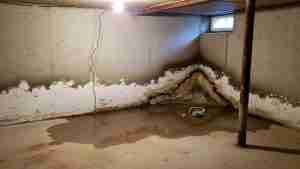
Signs Your Basement Needs Waterproofing: Omaha Homeowner Checklist Your basement speaks volumes about your home’s foundation health, but many Omaha
Signs of Basement Water Damage in Omaha Homes: Early Warning Checklist Early detection of basement water damage can save Omaha