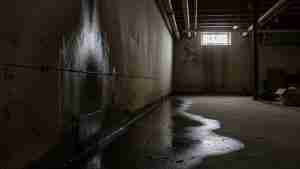
Why Omaha Basements Leak: Clay Soil, Water Tables & Foundation Challenges
Why Omaha Basements Leak: Clay Soil, Water Tables & Foundation Challenges Basement leaks plague thousands of Omaha homeowners every year,





A wet basement is more than just an inconvenience or a minor maintenance issue. For Omaha homeowners, it represents a serious threat to your home’s structural integrity, your family’s health, and your property’s value. The unique combination of Omaha’s expansive clay soil, intense precipitation patterns, and freeze-thaw cycles creates one of the most challenging environments for keeping basements dry. While homeowners in some regions might get by with minimal waterproofing or simple DIY solutions, Omaha properties require comprehensive, professionally designed protection tailored to our local conditions.
Understanding your basement waterproofing options empowers you to make informed decisions about protecting your most significant investment. The right waterproofing approach prevents the progressive damage that leads to foundation failures costing tens of thousands to repair, eliminates the health hazards associated with mold growth and poor air quality, and preserves your property value by ensuring your home remains dry and structurally sound regardless of weather conditions.
This complete guide explains every basement waterproofing method available to Omaha homeowners, provides realistic cost expectations for each approach, details the factors that determine which solutions work best for your specific situation, and helps you choose the waterproofing strategy that provides optimal protection for your home and budget.
Before exploring specific methods, understanding how basement waterproofing works helps you evaluate different approaches and choose appropriate solutions.
Omaha’s location creates perfect conditions for basement water problems. The region’s heavy clay soil prevents rapid water drainage, keeping soil saturated against foundations for extended periods after rain. This clay also expands dramatically when wet, generating tremendous lateral pressure against foundation walls that forces water through any weakness.
Spring brings concentrated precipitation, with March through June often delivering half the annual rainfall total. These prolonged wet periods saturate clay soil, creating maximum hydrostatic pressure on foundations. Summer thunderstorms can dump several inches of rain in a matter of hours, overwhelming drainage systems and causing sudden basement flooding.
Winter freeze-thaw cycles progressively damage foundations as water seeps into cracks and expands when it freezes. Omaha experiences 30 to 40 freeze-thaw cycles annually, each one widening existing cracks and creating new pathways for water infiltration.
The combination of these factors means that Omaha basements are constantly under attack from water. Without proper waterproofing, it’s not a question of whether you’ll experience water problems, but when and how severe they’ll become.
Basement waterproofing approaches fall into two main categories with fundamentally different strategies.
Interior waterproofing manages water after it reaches your foundation but before it damages your basement living space. These systems acknowledge that water will contact foundations but provide controlled drainage and barriers preventing flooding and structural damage. Interior approaches work entirely inside your basement, avoiding excavation disruption.
Exterior waterproofing prevents water from ever reaching foundation walls by creating barriers on the outside and installing drainage that intercepts groundwater before pressure can build. These systems protect foundation concrete itself from moisture exposure while eliminating water infiltration. Exterior approaches require excavating around the perimeter of your foundation.
Neither approach is universally superior. The best choice depends on problem severity, budget constraints, site accessibility, and whether you’re addressing existing problems or protecting new construction.
Interior solutions provide effective water management without excavation requirements, making them practical alternatives when exterior work isn’t feasible.
Interior perimeter drainage represents the most common and effective interior waterproofing approach. This method involves removing concrete strips along basement walls, typically 12 to 18 inches wide, to expose the footing area.
Contractors then install perforated drain pipe in gravel beds positioned to collect water entering at the vulnerable floor-wall joint. This drainage connects to a sump pump basin at the lowest point in the basement. Water flowing into the system travels by gravity to the basin, where pumps automatically activate to remove it.
The concrete strip is replaced after installation, though the seam remains visible. For finished basements, flooring can cover this seam, though homeowners should know the location for future maintenance access.
Interior drainage systems relieve hydrostatic pressure by providing easy pathways for water to follow into controlled drainage rather than forcing through foundation walls. This approach effectively manages water infiltration while costing substantially less than exterior waterproofing.
Installation typically takes 2 to 4 days for average basements, with minimal disruption beyond the work area. Contractors contain dust, protect furnishings, and restore cleanliness upon completion.
The primary limitation is that interior systems don’t prevent water from saturating foundation walls. Concrete remains exposed to moisture that can cause long-term deterioration. However, for many properties, this represents an acceptable compromise between cost and protection.
Cost Range: Interior drainage systems cost $4,000 to $8,000 for average-sized basements, with larger spaces or complex layouts pushing costs higher.
Sump pumps are a critical component of interior drainage systems, but can also be installed as standalone solutions for properties with existing drainage or specific water problems.
Primary sump pumps sit in basins that collect water from drainage systems or natural groundwater infiltration. When water reaches a predetermined level, the float switches activate the pump motor, which forces water up through discharge pipes and out of your home to a safe exterior location.
Quality primary pumps handle 40 to 60 gallons per minute, sufficient for most residential applications. Higher-capacity pumps protect homes with severe water problems or large basements.
Battery backup sump pumps provide critical redundancy during power outages, which often occur during the severe storms that create peak water infiltration. These systems use marine deep-cycle batteries that automatically activate when primary pumps lose power or fail.
Backup systems typically provide 5 to 7 hours of continuous pumping or enough intermittent capacity to protect basements for 24 hours or more during extended outages. Given Omaha’s severe weather, waterproofing professionals strongly recommend battery backup for any home where basement flooding could cause significant damage.
Water-powered backup pumps use municipal water pressure to create suction that removes water without electricity. They work reliably during power outages but require adequate water pressure and increase water bills during operation. They pump more slowly than electric systems but provide viable backup for homes with good water pressure.
Cost Range: Primary sump pump installation costs $1,500 to $3,000. Battery backup systems add $500 to $1,200—complete systems with both primary and backup protection range from $2,000 to $4,000.
Interior waterproofing paints and sealants applied to basement walls provide protection against minor moisture but cannot stop water under significant pressure. These products work to manage dampness and prevent efflorescence, but fail when hydrostatic pressure forces water through foundations.
Standard waterproof paints create surface barriers that resist moisture vapor but crack and fail under sustained pressure. They cost $3 to $5 per square foot for professional application or $200 to $500 for quality DIY products covering average basements.
Crystalline waterproofing represents more advanced interior coating technology. These products penetrate concrete pores and react with moisture, forming crystals that block water passage through the concrete matrix. They provide more robust protection than surface sealants but still have limitations under sustained pressure conditions common in Omaha’s clay soil.
Interior sealants work best as supplementary protection, combined with drainage systems, rather than as standalone solutions for properties with significant water problems.
Cost Range: Interior sealants and paints cost $500 to $2,500 for DIY application or $1,500 to $4,000 for professional application on average basements.
Vapor barrier systems channel wall moisture downward to drainage systems rather than allowing it to enter the basement air. These include plastic sheeting installed against walls, specialized drainage panels that create air gaps while directing moisture downward, and integrated wall systems combining vapor barriers with insulation and finished surfaces.
These systems don’t prevent water from reaching foundations; they manage it effectively once it’s present. They reduce humidity, prevent mold growth, and protect finished spaces from moisture damage.
Vapor barriers are often installed as part of comprehensive interior waterproofing, which combines drainage systems, sump pumps, and moisture management for complete protection.
Cost Range: Vapor barrier installation costs $1,500 to $4,000, depending on materials and basement size.
Exterior syastems provide comprehensive protection by preventing water from ever contacting foundation walls, offering superior long-term results when conditions and budget allow.
Complete exterior waterproofing begins with excavating around your foundation perimeter to expose walls from grade down to footings, typically 8 to 10 feet deep. This major undertaking requires heavy equipment, disrupts landscaping, and demands careful attention to utilities and structural stability.
Once exposed, foundation walls are thoroughly cleaned to remove soil, old coatings, and debris. Contractors inspect for cracks, deteriorated mortar, and structural problems. Any damage must be repaired before the waterproofing application, as membranes seal conditions in place rather than correcting underlying issues.
Several membrane types provide exterior waterproofing protection:
Spray-applied rubberized membranes create seamless barriers 60 to 90 mils thick that conform to wall irregularities. These self-healing membranes can seal around small cracks that develop after application. They require specialized equipment and proper surface preparation for adequate adhesion, but provide excellent protection when correctly installed.
Sheet membranes made from modified bitumen, rubberized asphalt, or synthetic rubber attach directly to foundation walls, creating thick, durable barriers. These provide superior long-term protection and allow quality inspection before backfilling. Installation is labor-intensive but produces highly reliable results.
Bentonite clay panels use natural clay that swells when wet to create impermeable barriers against foundations. These self-sealing systems handle minor wall movement without losing effectiveness, making them suitable for foundations that might experience slight settlement or shifting.
Cost Range: Complete exterior waterproofing, including excavation, membrane application, and site restoration, costs $8,000 to $15,000 for average homes. Larger properties, difficult access, or extensive landscaping restoration push costs to $15,000 to $25,000 or higher.
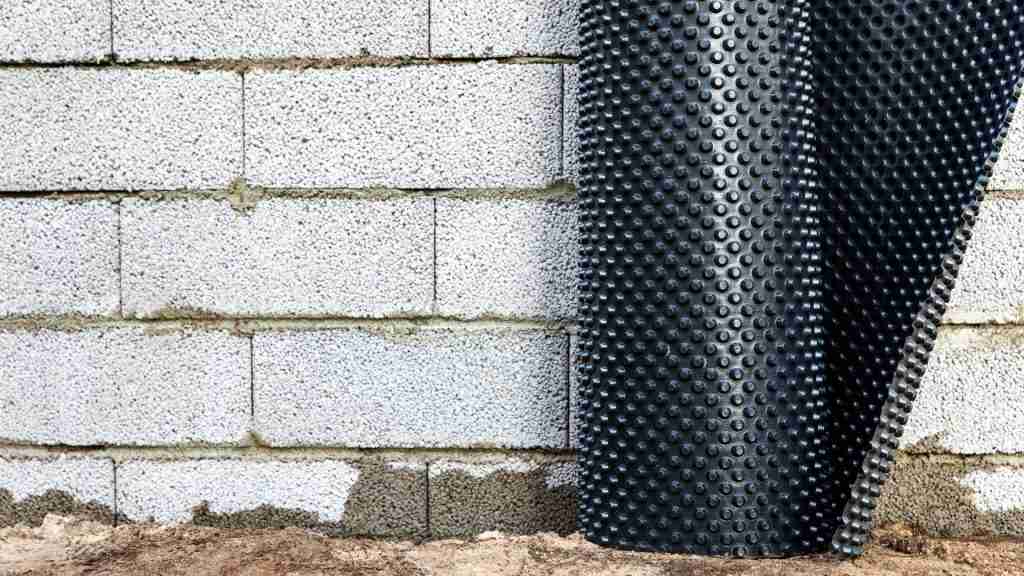
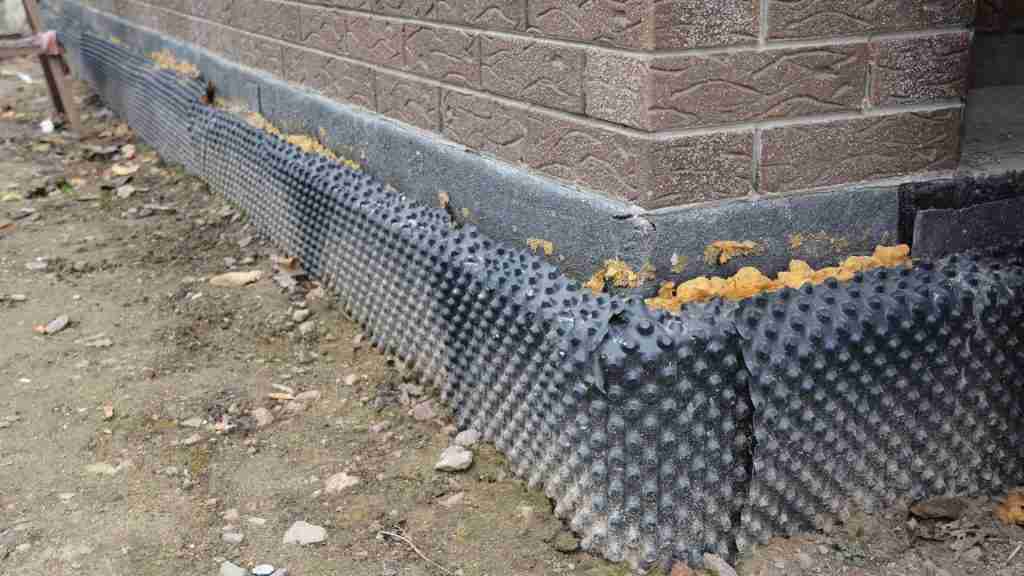
Advanced exterior waterproofing incorporates drainage boards or dimple membranes installed over waterproofing membranes. These create air gaps and vertical drainage planes against foundation walls.
Water reaching the wall surface never contacts the waterproofing membrane directly. Instead, it flows down the drainage plane to perimeter drain systems at the footing level. This approach dramatically reduces pressure on waterproofing membranes and provides secondary protection if the membranes are damaged.
Drainage boards also protect waterproofing membranes from backfill damage during excavation closure and from soil pressure that might compromise membrane integrity over the long term.
Cost Range: Drainage board installation adds $2,000 to $4,000 to exterior waterproofing costs but significantly enhances long-term protection.
Comprehensive exterior waterproofing includes the installation of drain tile at the footing level. This perforated pipe, surrounded by gravel and filter fabric, collects groundwater before it can create pressure against foundation walls.
Proper installation requires an adequate slope, typically 1 to 2 percent, to ensure gravity flow to discharge points. The pipe connects to solid drainage lines carrying collected water to storm sewers, sump systems, or approved surface discharge locations.
In Omaha’s clay soil, exterior drains must connect to positive-discharge points rather than rely on lateral soil absorption, which doesn’t occur. The drainage removes water from the foundation zone entirely rather than just blocking infiltration.
Cost Range: Exterior drain tile installation as part of excavation work adds $3,000 to $6,000 to project costs, depending on perimeter length and discharge complexity.
Foundation cracks often accompany waterproofing projects, requiring repair for comprehensive protection.
Epoxy injection fills cracks with structural epoxy that bonds concrete and creates waterproof seals. This approach works for both structural repair and waterproofing, making it ideal for cracks that compromise foundation integrity.
Polyurethane injection uses expanding foam that fills cracks and voids, creating flexible, waterproof barriers. This works well for active cracks that experience slight movement and for situations where reaching the exterior face of cracks isn’t possible.
Hydraulic cement fills cracks from the inside using a material that expands as it cures, creating pressure-resistant seals. This traditional approach works for minor cracks but provides less reliability than injection methods for serious structural or waterproofing repairs.
Cost Range: Crack repair costs $300 to $800 per crack for minor repairs, $800 to $2,500 for significant structural cracks requiring injection and reinforcement.
Homes with crawl spaces require specialized approaches to prevent moisture accumulation in these confined, below-grade areas.
Encapsulation Systems
Crawl space encapsulation involves installing heavy vapor barriers across floors and up foundation walls, sealing all seams and penetrations to create moisture-proof envelopes. The process includes installing 6 to 20-mil polyethylene sheeting, sealing all seams with specialized tape, extending barriers up walls and around posts, and adding dehumidification systems.
Properly encapsulated crawl spaces remain dry year-round, preventing wood rot in floor joists, eliminating mold growth that affects whole-house air quality, improving energy efficiency by using conditioned rather than vented spaces, and reducing pest problems common in damp crawl spaces.
Cost Range: Crawl space encapsulation costs $5,000 to $12,000, depending on space size, existing conditions, and whether additional drainage or structural repairs are needed.
Several variables influence what you’ll actually pay for basement waterproofing in Omaha.
Larger basements require more materials and labor, increasing costs proportionally. A 1,000-square-foot basement costs substantially less than a 2,000-square-foot space. Deeper foundations require more excavation for exterior work, adding $2,000 to $5,000 to the cost compared to shallow basements.
Minor seepage requires less extensive solutions than chronic flooding. Severe infiltration often indicates multiple failure points that require comprehensive approaches, while occasional dampness may resolve with targeted repairs and improved drainage.
Properties with mature landscaping, hardscape, or limited access incur additional costs for removal and restoration. Difficult site access, which prevents the use of large equipment, increases excavation costs by 25 to 50 percent as workers dig manually or use smaller equipment.
Homes with partially functional systems cost less to upgrade than those requiring a complete new installation. However, old systems often need replacement rather than repair, particularly clay tile drains common in vintage Omaha homes after decades of tree root intrusion and sediment buildup.
Foundation problems, such as bowing walls or settlement, require structural repairs alongside waterproofing. Wall stabilization, underpinning, or crack repair costs $4,000 to $15,000 or more, depending on the extent of the damage.
Several factors should guide your decision about methods and timing.
Homes with chronic water problems, visible foundation damage, or high water tables benefit most from exterior waterproofing, despite the higher cost. Comprehensive protection justifies investment in serious situations.
Properties with moderate moisture or where excavation is impractical find interior systems provide adequate protection at a manageable cost.
If you plan to stay in your home for decades, invest in comprehensive exterior waterproofing providing 50-plus-year protection. Planning to sell within 5 to 10 years makes interior systems more practical, providing adequate protection without full exterior investment.
Financing options exist for both interior and exterior approaches. Many contractors offer payment plans, and home equity loans provide lower interest rates than personal loans for substantial projects.
Omaha’s clay soil and weather create aggressive conditions requiring robust protection. While minimal solutions might suffice in other regions, local properties need comprehensive waterproofing designed for sustained pressure and severe weather.
Some waterproofing tasks suit DIY approaches while others require professional expertise.
Homeowners can handle applying interior waterproof paints for minor dampness, installing basic sump pumps in existing pits, improving surface drainage and downspout extensions, and minor crack sealing with hydraulic cement.
Complex work requires professionals, including interior drainage system installation, exterior excavation and membrane application, structural foundation repairs, comprehensive crawl space encapsulation, and any work involving code compliance or warranty requirements.
Professional installation costs more but provides warranties, ensures proper function, and delivers results lasting decades rather than years.
Once installed, waterproofing systems require ongoing attention to remain effective.
Inspect basements seasonally, checking for new cracks, moisture indicators, or drainage system issues. Test sump pumps quarterly by pouring water into basins to verify activation and proper discharge.
Clean sump pump pits annually, removing sediment and debris. Replace battery backup batteries every 3 to 5 years before failure. Inspect discharge lines for clogs or damage, particularly after winter, when freezing can damage exposed pipes.
Keep gutters clean and verify downspout extensions remain connected and properly positioned. Check that grading maintains proper slope away from foundations—clean catch basins and surface drains to prevent debris blockages.
While waterproofing requires significant investment, the protection it provides far exceeds the cost.
A single basement flooding event causes $5,000 to $25,000 in damage to finished spaces. Foundation repairs for water-related damage cost $10,000 to $50,000 or more. Mold remediation runs $2,000 to $10,000 for extensive contamination.
Comprehensive waterproofing costing $8,000 to $15,000 prevents this damage while providing 50-plus years of protection. The return on investment is essentially infinite if waterproofing prevents catastrophic failures that would cost multiples of the waterproofing investment.
Waterproofing also protects property values. Homes with documented water problems sell for substantially less than comparable dry properties. Comprehensive waterproofing with transferable warranties actually adds marketability and value.
Basement waterproofing represents one of the most important investments Omaha homeowners can make in property protection. The unique combination of local soil and climate creates conditions in which comprehensive waterproofing transitions from an optional upgrade to essential infrastructure.
Whether you choose interior drainage systems for practical cost-effective protection or comprehensive exterior waterproofing for maximum long-term security, taking action to protect your basement prevents the progressive damage that destroys foundations, floods living spaces, and creates health hazards through mold growth.
Contact qualified waterproofing professionals for a thorough basement evaluation and customized solution recommendations. The investment you make today in proper protection saves many times its cost by preventing damage, preserving your home’s structural integrity, and keeping your family safe and comfortable for decades to come.
Why Omaha Basements Leak: Clay Soil, Water Tables & Foundation Challenges Basement leaks plague thousands of Omaha homeowners every year,
Financing Basement Waterproofing in Omaha: Payment Options & Programs Basement waterproofing in Omaha is a significant but essential investment that
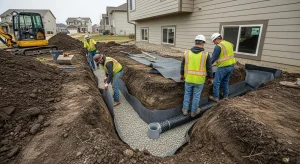
Drainage Tile Systems in Omaha: Protecting Foundations from Groundwater Drainage tile systems are among the most effective solutions for protecting
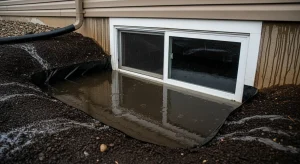
Basement Window Well Waterproofing: Preventing Leaks in Omaha Basement window wells are among the most common yet frequently overlooked sources
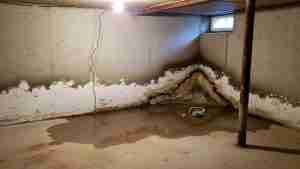
Signs Your Basement Needs Waterproofing: Omaha Homeowner Checklist Your basement speaks volumes about your home’s foundation health, but many Omaha
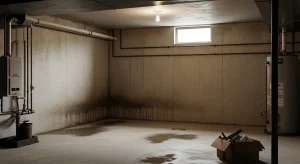
Signs of Basement Water Damage in Omaha Homes: Early Warning Checklist Early detection of basement water damage can save Omaha